Why Do Client and Artist Communications Matter?
Client and artist communication is where sustainability moves from a backstage effort to a shared experience. Every interaction, from the hospitality rider to the green room setup, reflects a venue’s values and can influence how artists, agents, and third-party renters engage with those values. When venues communicate clearly and creatively about sustainable options, they make it easy for partners to participate.
These approaches not only reduce waste and costs but also strengthen the venue’s brand as a leader in conscious entertainment. Artists notice when a venue cares; it deepens their respect, enhances their comfort, and often inspires them to carry that same message to their fans. For third-party renters, clear sustainability guidance provides a roadmap for aligning with the venue’s standards while keeping their events seamless and professional, ensuring that sustainability is part of every show, no matter who’s hosting it.
So, what can you do?
Venues can strengthen their relationships with artists and clients by making sustainability part of the hospitality experience. Simple shifts like offering eco-friendly rider swaps, featuring reusable bottle programs, posting green room signage, and providing sustainability guidelines for third-party renters turn good intentions into actions.
These touchpoints make sustainable choices easy, visible, and memorable, showing that caring for people and the planet can enhance comfort, creativity, and connection both on and off the stage.
Recommendations
-
![]()
Sustainability Rider Swaps
Offer a simple, optional “Sustainability Rider” alongside standard contracts. This can include pre-vetted eco-alternatives like reusable dishware, locally sourced catering, and composting options. Presenting sustainability as a flexible upgrade (rather than a restriction) helps artists and renters opt in with ease.
-
![]()
Reusable Bottle Program
Replace single-use water bottles with branded reusable ones that artists and crews can borrow, return, or keep as souvenirs. This small gesture cuts plastic waste and reinforces your commitment to sustainability in a personal, memorable way.
-
![]()
Green Room Signage
Install engaging sustainability posters or fliers in artist and crew spaces. Use visuals and short, inspiring language to highlight your venue’s mission and share simple actions artists can take, such as proper waste sorting and energy-saving tips. These touchpoints make sustainable behavior intuitive and part of the experience.
-
![]()
Artist Spotlights
Celebrate artists who embrace sustainability through digital features or venue promotions. Sharing their stories builds community pride and positions your venue as a hub for creative leadership in sustainability.
-
![]()
Third-Party Renter Guidance
For external event hosts, create a short sustainability checklist or mini-rider outlining best practices for waste, energy, and hospitality. This keeps standards consistent while giving renters flexibility and support to meet them.



Reusable Water Bottle Program
What
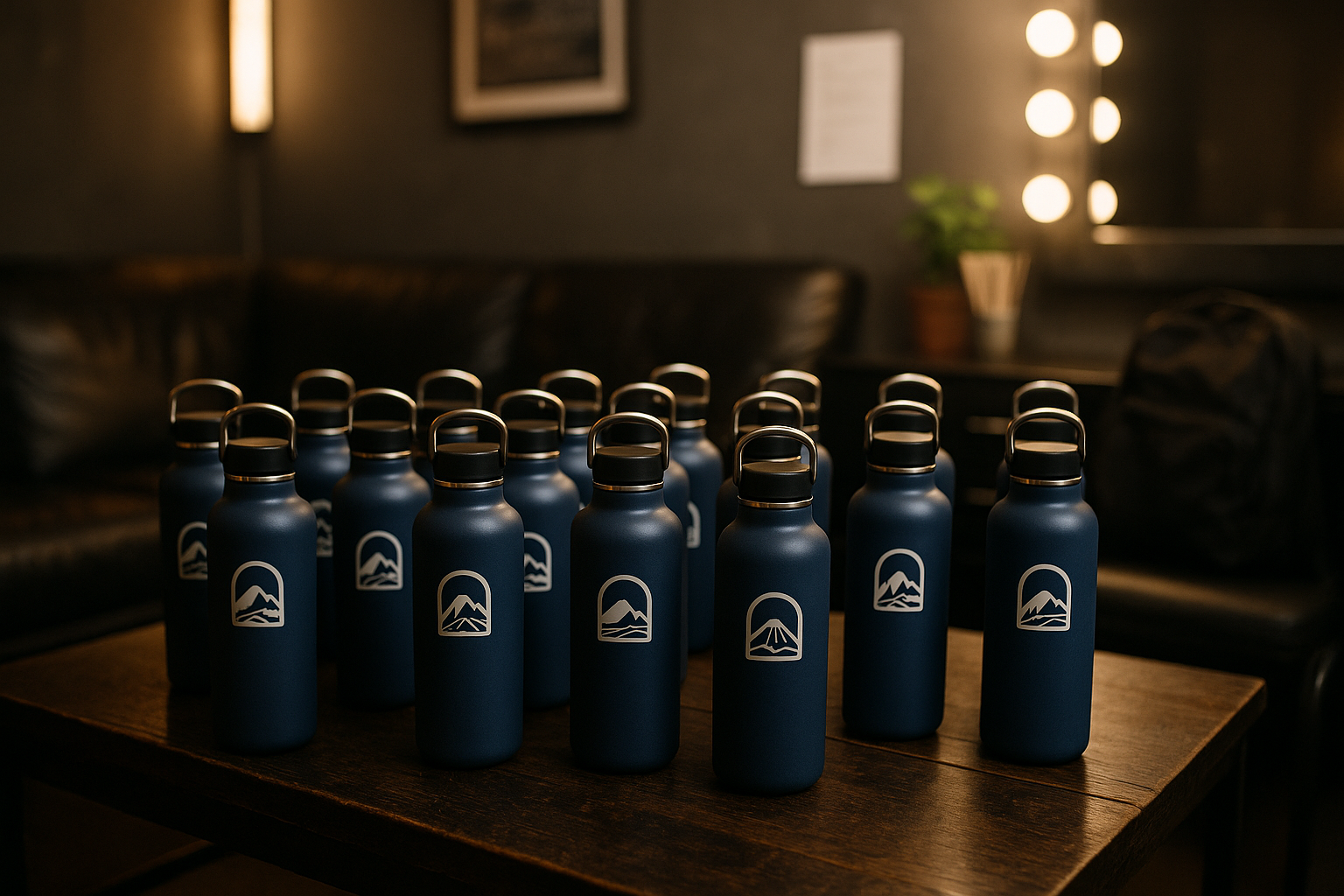
A Reusable Water Bottle Program replaces single-use plastic water bottles in artist areas, green rooms, and production spaces with durable, branded reusable bottles. Artists, crew members, and staff use these bottles during the event, returning them after the show for cleaning and reuse. A refundable deposit system encourages returns while also allowing artists to keep the bottles as souvenirs if they wish.
Why
Single-use water bottles are one of the most common and costly waste streams in live-event hospitality. Switching to reusable bottles dramatically reduces plastic waste, simplifies recycling logistics, and aligns hospitality operations with sustainability goals. The program also demonstrates leadership in backstage sustainability, offering artists a tangible way to participate. Branded bottles reinforce the venue’s identity, serve as high-quality keepsakes, and help normalize reuse systems backstage, ultimately lowering long-term environmental impact and operational costs.
How
-
Choose high-quality reusable bottles that match your brand and withstand repeated cleaning. Stainless steel or BPA-free hard plastic options work well for durability and guest perception.
-
Charge a small, fully refundable bottle deposit through artist hospitality budgets or settlement.
Returned bottle: Deposit refunded
Kept bottle: Deposit forfeited (functions like merch)
This system encourages reuse while still allowing artists to keep bottles as souvenirs.
-
Provide bottles in key backstage locations such as:
Green rooms
Production offices
Stage wings
Dressing rooms
Pair bottles with accessible refill stations to make reuse seamless.
-
Include a simple card or signage explaining:
How the deposit works
Where to return bottles
Where refill stations are located
Clear communication reduces confusion and boosts participation.
-
Create a process for collecting, washing, sanitizing, and restocking reusable bottles between shows.
Options include:Using existing dishwashing systems
Partnering with hospitality or BOH staff
Designating a simple collection bin backstage
-
Monitor:
Number of bottles used per show
Return rates
Single-use bottles avoided
Cost savings over time
Sharing results helps demonstrate impact and justify expanding the program.
Green Room Signage
What
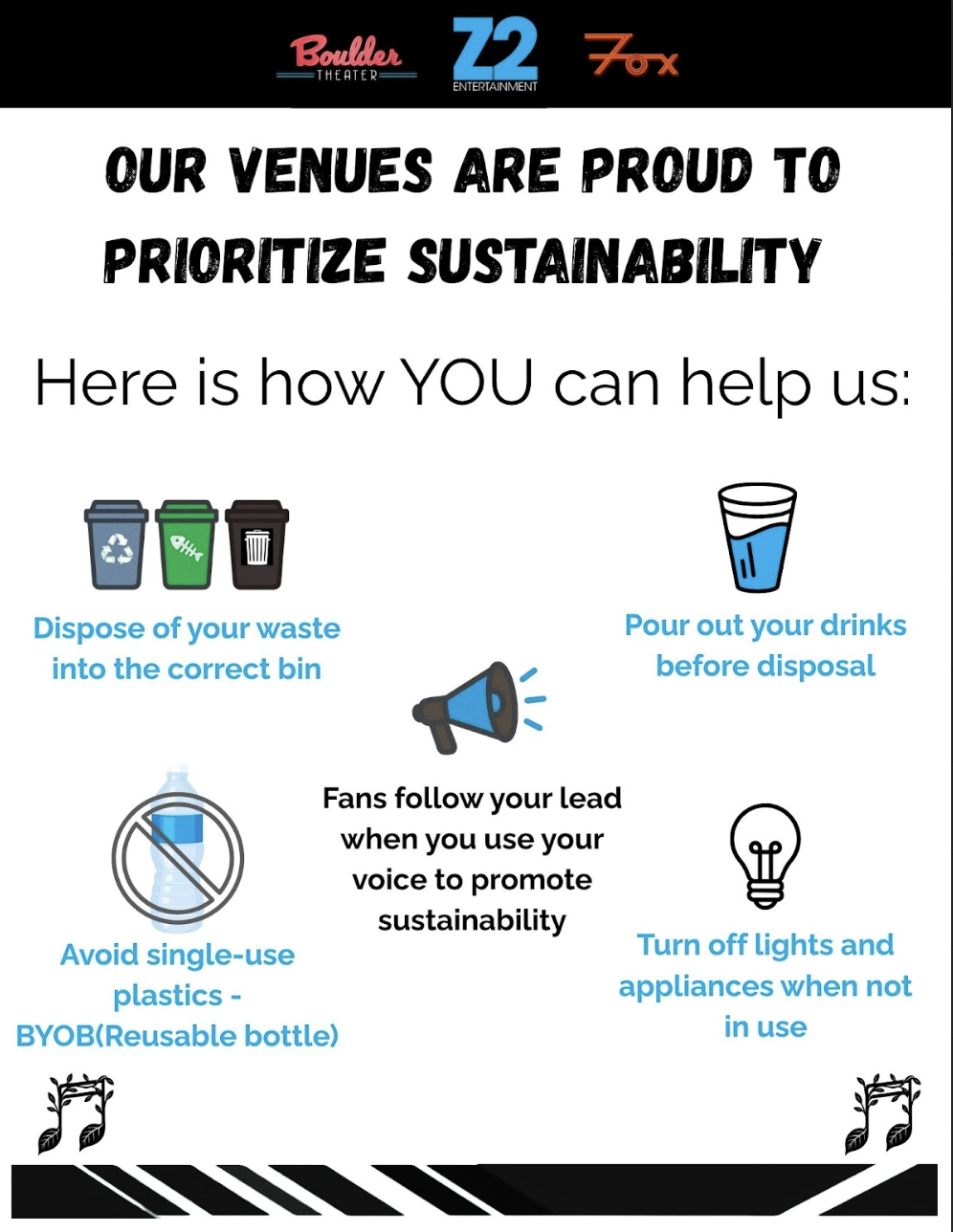
Green Room Signage includes posters, fliers, and visual materials placed in artist and crew spaces to communicate an organization’s sustainability values and provide simple guidance for participating in backstage sustainability efforts. These materials often pair inspirational messaging with clear, actionable steps, such as waste-sorting instructions, reusable bottle guidance, or energy-saving reminders. Green room signage reinforces hospitality standards while inviting artists to engage with sustainability in authentic and creative ways.
Artists play a powerful role in shaping culture both on stage and behind the scenes. By displaying sustainability signage in green rooms, venues can visibly affirm their environmental commitments and inspire artists to participate. When artists understand the venue’s sustainability values, they are more likely to support backstage systems, reduce unnecessary waste, and even amplify sustainability messaging to fans. High-quality, intentional signage also elevates the green room experience, signaling professionalism and aligning the backstage environment with the organization’s mission.
How
-
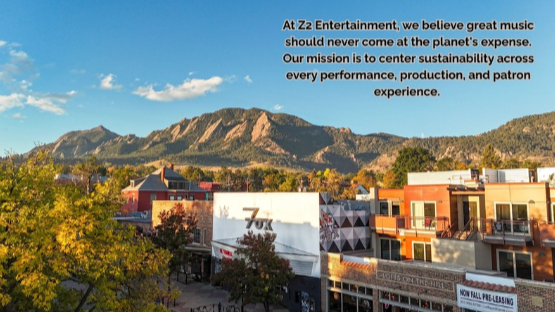
Create a large, aesthetically appealing poster that reflects the venue’s identity and clearly communicates its sustainability mission. Include:
A recognizable venue or local landmark
A short mission statement or guiding value
A warm, welcoming tone that celebrates sustainability
This piece should feel like part of the venue’s artistic culture, not like a rules sheet.
-
Post smaller, action-oriented signs where artists and crew naturally pause, like mirrors, snack stations, hallways, near waste bins, or dressing room doors. These signs should highlight simple, practical steps artists can take, such as:
Sorting waste correctly
Using reusable water bottles
Reducing single-use plastics
Conserving energy in the space
Keep messaging positive, friendly, and easy to understand.
-
Use gentle prompts to invite artists to amplify sustainability efforts if they feel inspired. Ideas include:
Using their platform and voice to advocate for sustainability in general
Posting an Instagram story highlighting reusable bottles or other eco-friendly features
Giving a quick shoutout from the stage about sustainability initiatives
Sharing appreciation for the venue’s environmental efforts with fans
Artists are often enthusiastic partners when given a clear, low-pressure invitation, and might love the opportunity to lead on important issues
Why
Sample Poster
Artist Spotlight
What
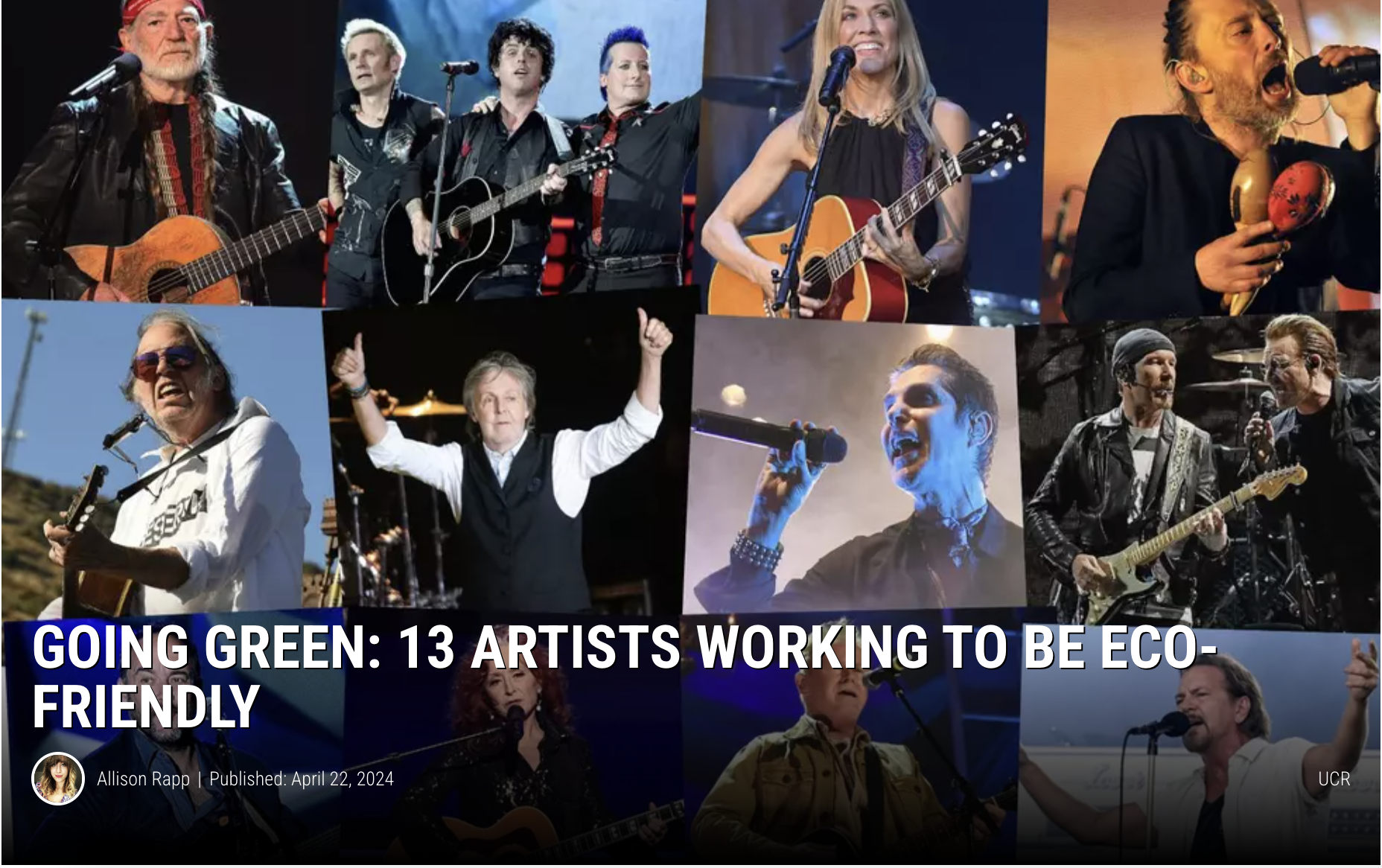
A Website Artist Spotlight highlights sustainability-minded artists on an organization’s website and social channels. Through recurring features such as a “Green Artist of the Month,” venues can showcase performers who champion environmental or community causes, practice eco-friendly touring, or engage in advocacy work.
Spotlighting artists who care about sustainability reinforces the organization’s values and inspires fans through the voices they trust most. These features elevate the visibility of artists doing meaningful work, create positive association between sustainability and the live music experience, and position the venue as a leader in environmentally responsible entertainment. They also offer artists a platform to share their efforts, building deeper alignment between the venue, performers, and audiences.
How
-
Coordinate content selection, visuals, and timing with marketing or social teams.
-
Identify artists who are vocal about sustainability or community issues.
-
Share features on the website, social media, newsletters, and in-venue screens.
Why
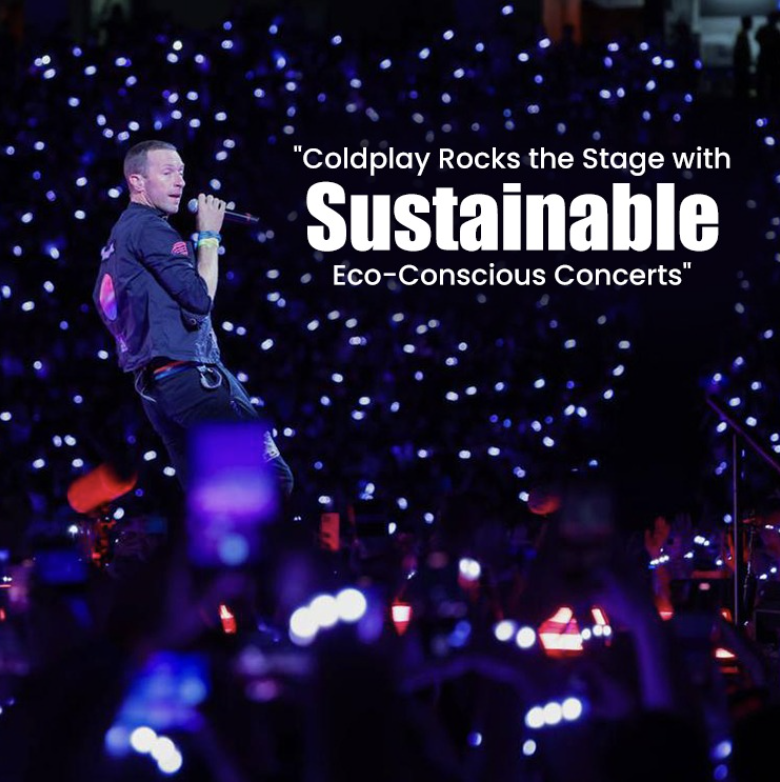
Alison Rapp’s article celebrating artists embracing sustainability
Third Party Rental Guidance
What

Third Party Rental Guidance provides clear sustainability expectations, resources, and recommendations for outside promoters, event organizers, and renters using a venue. This guidance outlines operational standards, including waste sorting, reusable serviceware protocols, energy and water expectations, and hospitality practices so external groups can align with the venue’s sustainability systems while retaining creative and logistical flexibility.
Many venues see high volumes of outside rentals, and without guidance, sustainability practices can vary widely from event to event. Providing clear expectations helps maintain consistent waste diversion, reduces contamination, protects equipment, and prevents operational setbacks. It also signals leadership and strengthens the venue’s sustainability brand by ensuring that guests and artists experience the same environmental values regardless of who is running the show. When renters understand the system from the start, events run smoothly for staff, partners, and audiences alike.
How
-
Encourage renters to adopt sustainability practices by providing a concise, optional guidance document. Without requiring implementation, suggest approaches such as
Waste sorting requirements
Approved serviceware or catering options
Reusable cup or bottle programs
Load-in/out expectations related to sustainability
Signage they should not remove or alter
Where to find refill stations, back-of-house waste areas, and other key resources
Keep it short, visual, and easy to skim.
-
Include sustainability expectations in booking confirmations, contracts, or onboarding materials. This ensures renters are aware of requirements early in the planning process.
-
Provide optional sustainability support services such as:
Green Team volunteers
Waste sorting staff
Reusable serviceware packages
Sustainability consulting or event optimization guidance
These services help renters meet expectations with minimal added workload.
Why
Sustainability Rider Swaps
What
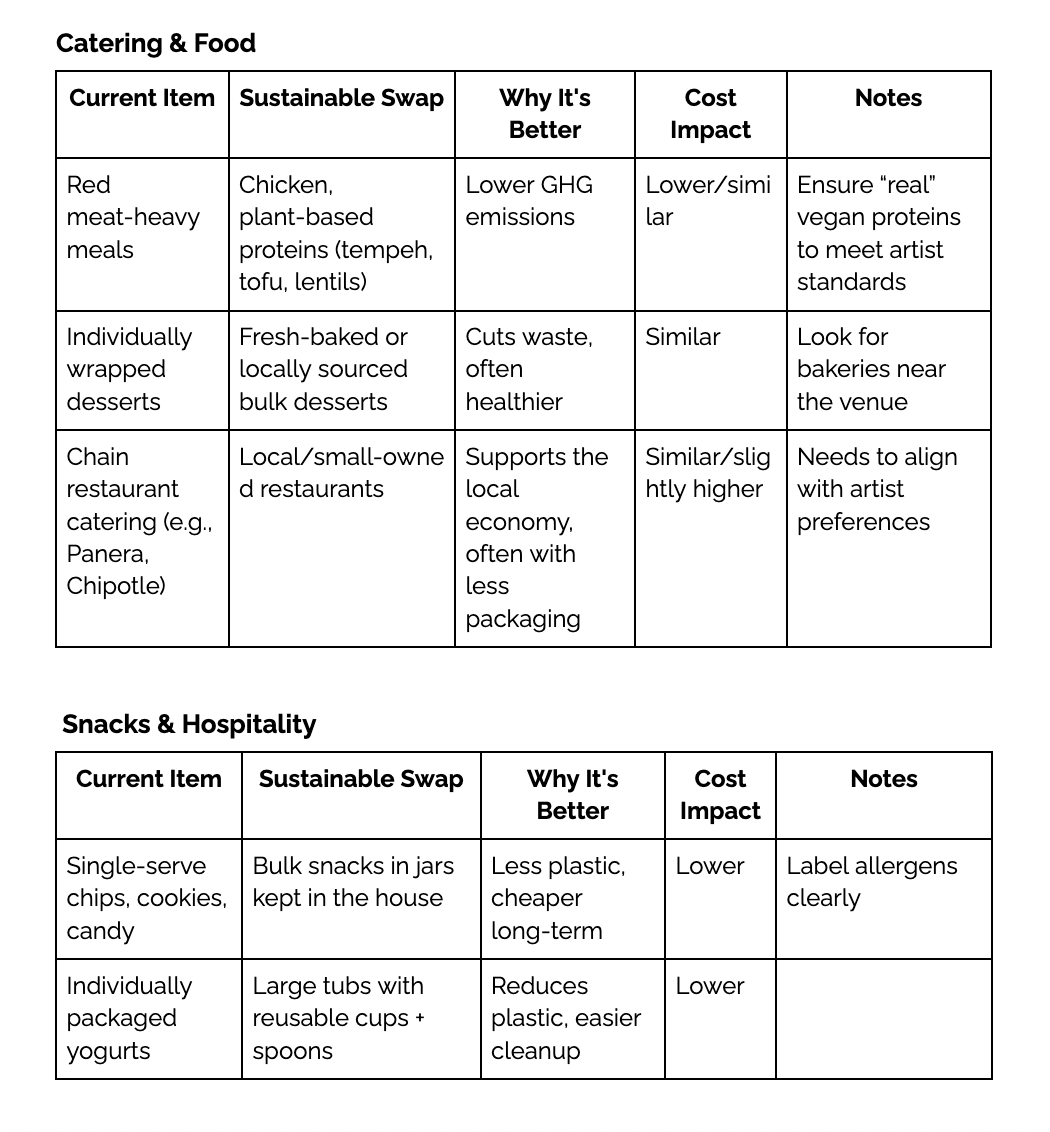
Sustainability Rider Swaps are optional, eco-friendly hospitality alternatives offered to artists as part of the contracting or advance process. These swaps replace common high-waste rider items such as single-use plastic bottles, individually packaged snacks, or chain-restaurant catering, with more sustainable options like reusable water bottles, bulk snacks, local food partners, and compostable or reusable serviceware. Rider swaps are typically organized through a clear spreadsheet or one-page guide that hospitality teams can reference when suggesting sustainable alternatives.
Artist riders can generate significant waste backstage, from single-use plastics to excessive packaging. Offering sustainability swaps reduces environmental impact while maintaining high-quality hospitality. These swaps help normalize low-waste practices, highlight local vendors, lower long-term costs, and demonstrate that sustainability can enhance, not diminish, the artist experience. They also position the organization as a leader in green hospitality, strengthening relationships with artists who increasingly value sustainability in their touring practices.
How
-
Organize common hospitality items into clear categories like: Beverages, Catering, Snacks, Coffee/Tea, Dressing Room
List recommended sustainable alternatives alongside notes on cost, benefits, and brand suggestions. Keep the guide simple, skimmable, and updated regularly.
-
Train hospitality teams to reference the swap guide when fulfilling riders or responding to advance requests. Encourage staff to proactively offer sustainable options alongside standard choices, framing swaps as value-adds rather than restrictions.
-
Present swaps as optional upgrades, not mandates. When alternatives feel aligned with artist values like local, fresh, reusable, and lower waste, they’re more readily accepted. Always provide clear reasoning (“why it’s better”) to support decision-making and build trust.
-
Pair rider swaps with broader sustainability infrastructure:
Reusable water bottle programs
In-house mugs, plates, and utensils
Bulk beverage setups
Cloth napkins and refillable jars
Integrating systems helps reduce operational burden and makes swaps more seamless.
-
Consider sharing small sustainability wins with artists, such as bottles saved, single-use plastics avoided, or partnerships with local businesses. A little transparency can turn a simple rider swap into a shared point of pride.
Why