Why Do External Communications Matter?

External communication is how an organization builds trust, reputation, and connection with the outside world. It’s the storytelling that shapes how fans, partners, and the broader community understand who you are and what you stand for.
Strong external communication ensures that messaging stays authentic, consistent, and values-driven across all public channels, from social media and press releases to on-site signage and sponsorship materials. When done well, it bridges the gap between operational work and public perception, helping audiences not just see what you do, but feel why it matters.
In the entertainment space, this kind of communication is especially powerful. Music and live events already hold people’s attention. Clear, creative, and intentional messaging can transform that attention into trust, loyalty, and even action. Whether it’s promoting an initiative, sharing impact stories, or engaging the community, external communication turns sustainability and purpose into something visible, relatable, and worth rallying behind.
So, what can you do?
In an industry built on connection, clear and creative communication turns sustainability from an internal goal into a shared mission that builds trust, strengthens community, and inspires personal action.
Whether through a website, community programs, or on-site signage, external communication helps venues show that caring for people and the planet isn’t just good business—it’s part of the culture they’re creating.
Recommendations
-
![]()
Webpage Recommendations
A clear sustainability webpage is a powerful starting point. Placing it front and center on a venue’s site signals transparency and commitment. Visuals like dashboards, photos, and short updates help audiences see real progress and feel part of the journey.
-
![]()
Community engagement
Community engagement brings that story to life. Hosting events such as cleanups, donation drives, or voter registration nights, especially with artist or nonprofit partners, strengthens fan connection and shows that music can move more than just bodies.
-
![]()
Green teams
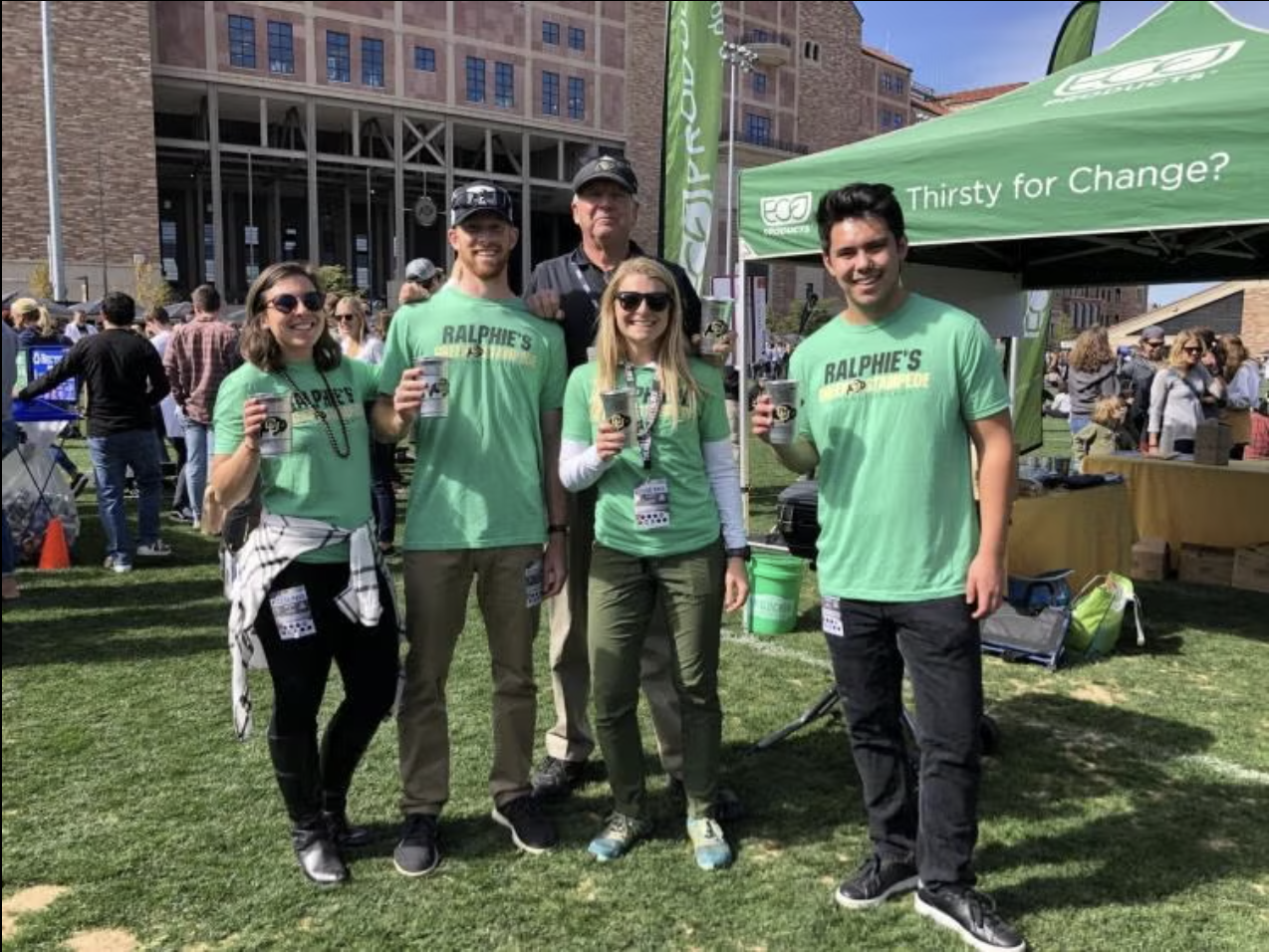
Volunteer Green Teams are ways for fans to get plugged in to the solutions themselves.
-
![]()
Front-Of-House Posters and Signs
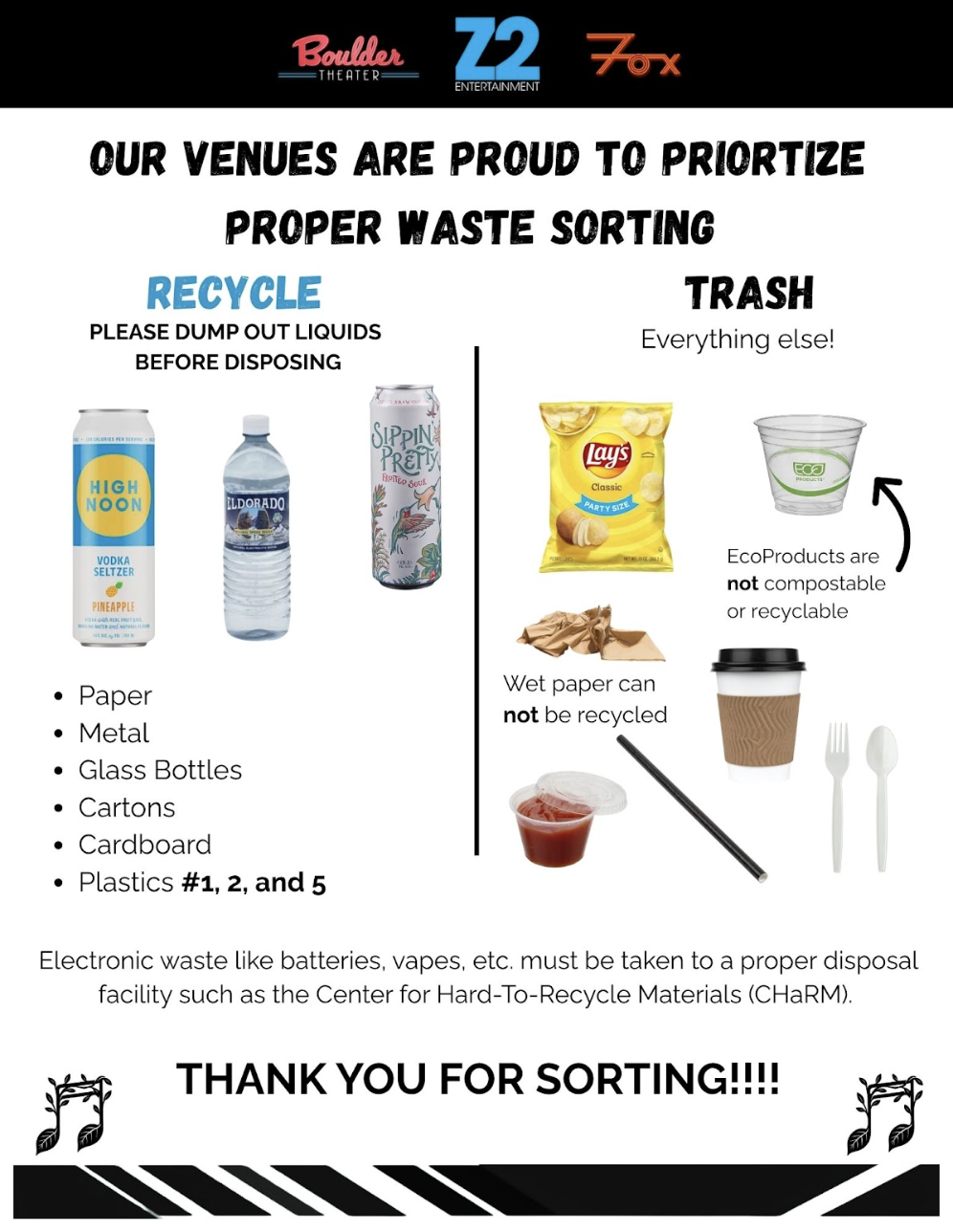
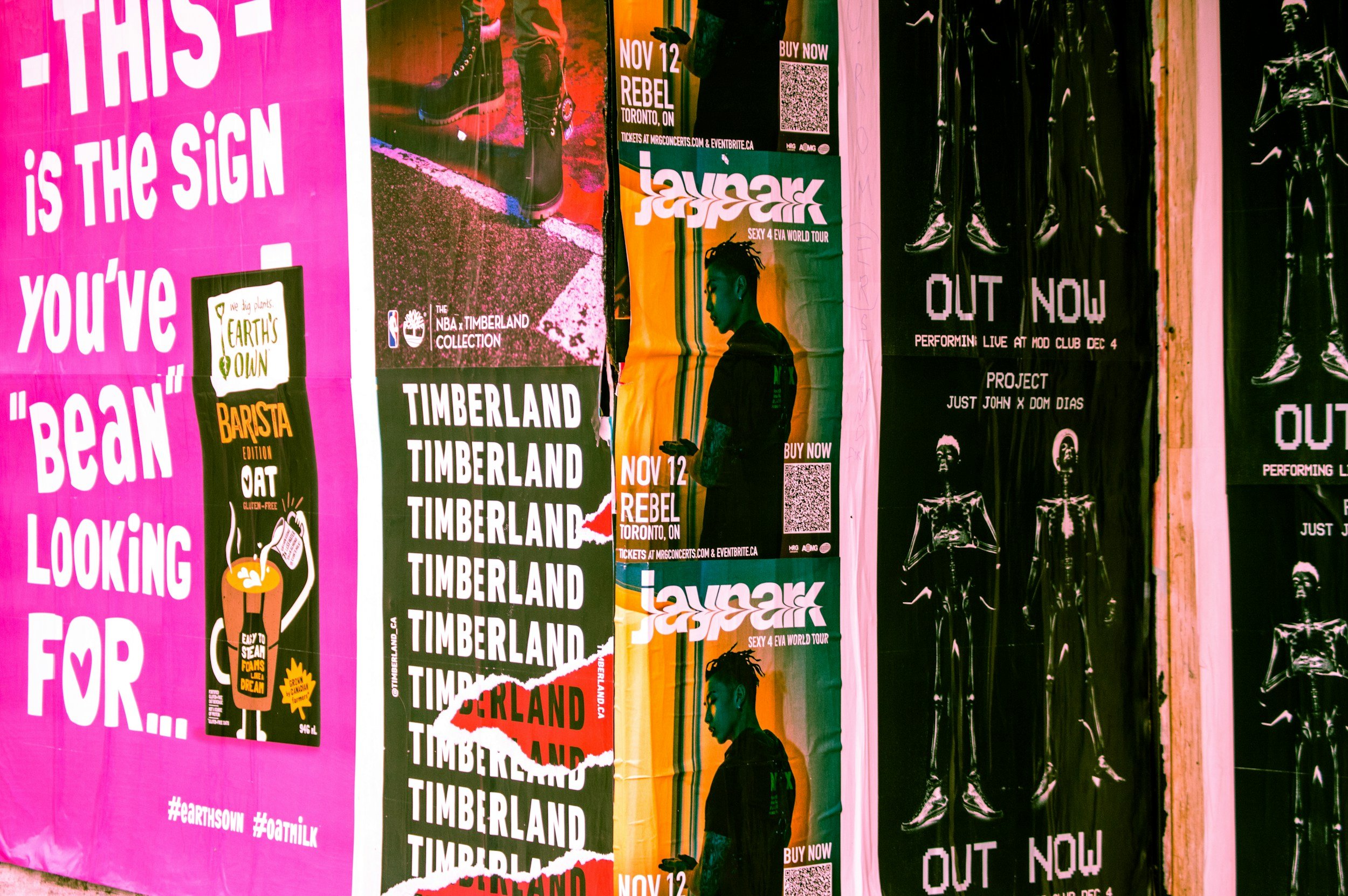
Creative signage helps keep the message alive inside the venue. Simple posters, screen graphics, or mirror decals can inspire small but meaningful actions from fans.


Community Engagement
What
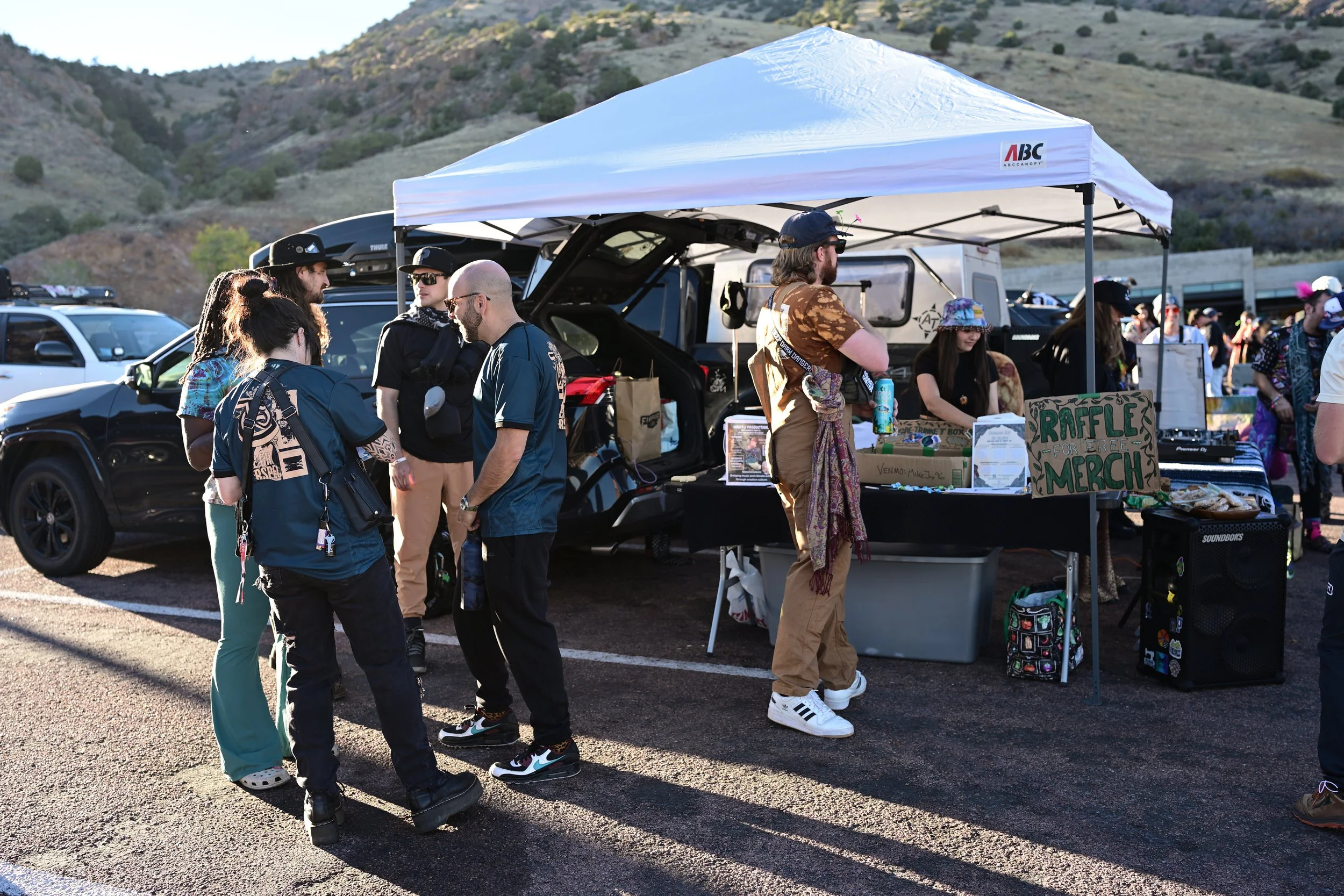
Community Engagement refers to the ways organizations extend their sustainability impact beyond venue operations and into the broader community. This includes partnerships with local nonprofits, hosting or co-hosting volunteer events, facilitating donation drives, supporting civic participation, and collaborating with artists to amplify community-focused initiatives. Community engagement connects the live-events industry with local environmental, social, and cultural efforts, demonstrating that music spaces can be active contributors to community well-being.
Live-event organizations are cultural anchors with the power to mobilize people, resources, and attention. When venues and promoters invest in community engagement, they build stronger relationships with fans, deepen trust, and reinforce the idea that entertainment spaces can be catalysts for positive environmental and social change. Community engagement also strengthens local resilience, supports nonprofits, and offers meaningful ways for fans and staff to participate in sustainability beyond the walls of the venue. Done well, these initiatives create long-term loyalty, elevate brand identity, and demonstrate authentic commitment to community values.
How
-
Collaborate with local nonprofits, environmental groups, mutual aid networks, or social-impact organizations whose work aligns with your sustainability values. Strong partnerships increase capacity, credibility, and community reach.
-
Start with a single recurring program to build momentum and visibility. Examples include:
A neighborhood cleanup with live music
A food or clothing drive tied to a show
A venue-hosted voter registration night
A sustainability-themed fundraiser with artist participation
A signature offering becomes a recognizable, repeatable entry point for community involvement.
-
Invite performing artists to participate, promote, or co-brand community efforts. Artist involvement increases authenticity, expands reach, and helps fans feel more connected to the initiative.
-
Promote community programming through social media, email newsletters, venue signage, ticketing pages, in-show announcements, and partnerships with artists. Clear messaging helps fans understand how to get involved and why it matters.
-
Record volunteer hours, donations collected, funds raised, or environmental outcomes (like bags of litter removed). Share these results in annual reports, dashboards, sustainability pages, or end-of-year recaps. Celebrating impact builds pride and encourages continued participation.
Why
Green Teams
What
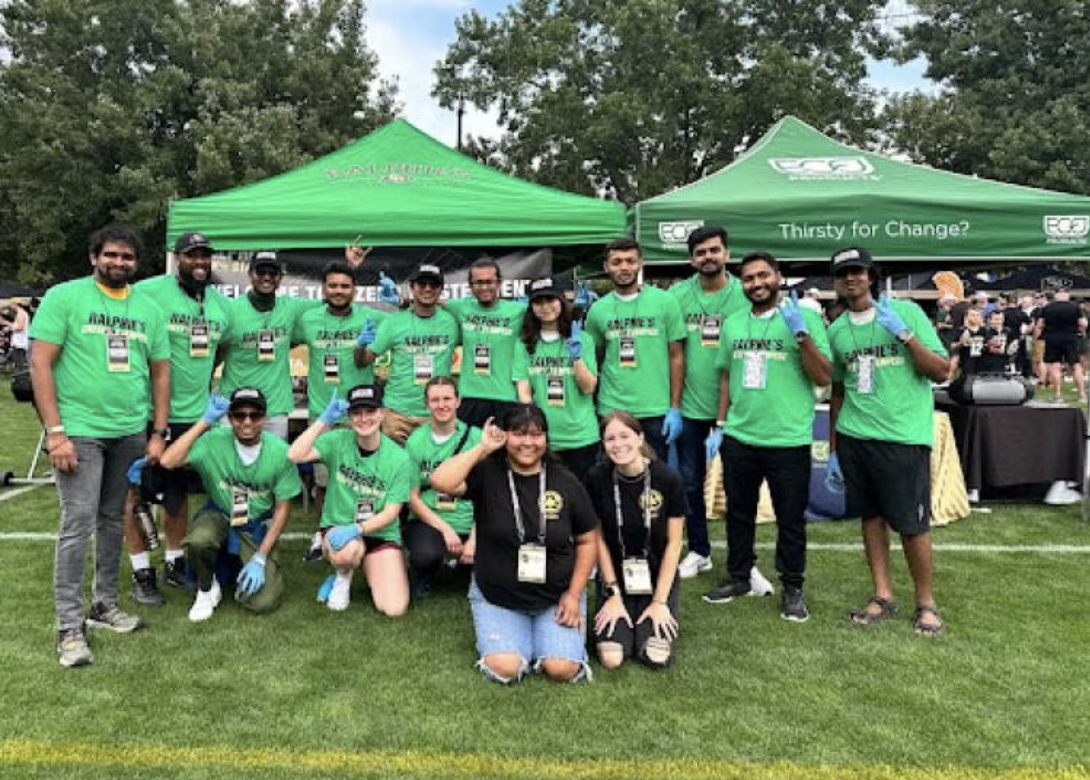
Green Teams are volunteer or staff-supported groups that assist venues and live-event organizations with on-the-ground sustainability tasks during shows. These teams help with person-to-person waste sorting, reusable cup or serviceware management, and patron engagement. Green Teams offer a flexible, low or no-cost way to boost operational sustainability while building community ownership and visibility for environmental initiatives.
Green Teams improve sustainability outcomes by providing real-time support where and when it’s most needed. Volunteers reduce contamination in waste streams, increase reusable cup returns, and help educate patrons through friendly, person-to-person interaction. Beyond operations, Green Teams build internal culture: they demonstrate organizational commitment, create leadership pathways, and give passionate fans and community members a tangible way to participate. When implemented effectively, Green Teams strengthen brand identity, deepen community relationships, and produce measurable improvements in diversion and resource management.
How
-
Assign a staff member or small team to coordinate volunteers, manage scheduling, and ensure Green Team efforts align with bar, FOH, BOH, and janitorial workflows. Integrating this responsibility into existing roles increases long-term sustainability of the program.
-
Build a recruitment pipeline through existing networks such as:
Fans and street team members
Local university sustainability programs
Nonprofits focused on reuse, composting, or climate action
Effective recruitment tools:
A short application (e.g., Google Forms)
Clear onboarding materials outlining responsibilities
A pre-shift briefing (10–15 minutes) for expectations, sorting guidance, and safety considerations
Volunteers should feel confident engaging patrons, encouraging proper sorting, and supporting operational flow.
-
Start small to refine the model before scaling.
Examples:Activate Green Teams for 1–2 shows per week
Pilot at a single venue or stage
Focus on one task first (e.g., reusable cup returns) before adding more roles
A limited rollout helps identify staffing needs, volunteer capacity, and workflow adjustments.
-
Tracking results helps refine the program and demonstrate value. Impact metrics may include:
Waste diversion rates
Number of reusable cups returned
Loads processed through dishwashing
Patron engagement interactions
Volunteer feedback and testimonies
Bar and staff observations on workflow improvements
Collaboration with janitorial or operations teams may be needed for weighing waste or monitoring stream contamination.
-
Offer incentives such as event tickets, merch, or backstage experiences to thank volunteers for their contribution. Testimonials can be used for website/social media content and can be collected through follow-up emails, and optionally may be required before receiving rewards. These forms of recognition build loyalty and encourage repeat participation.
Why
Webpage Recommendations
What
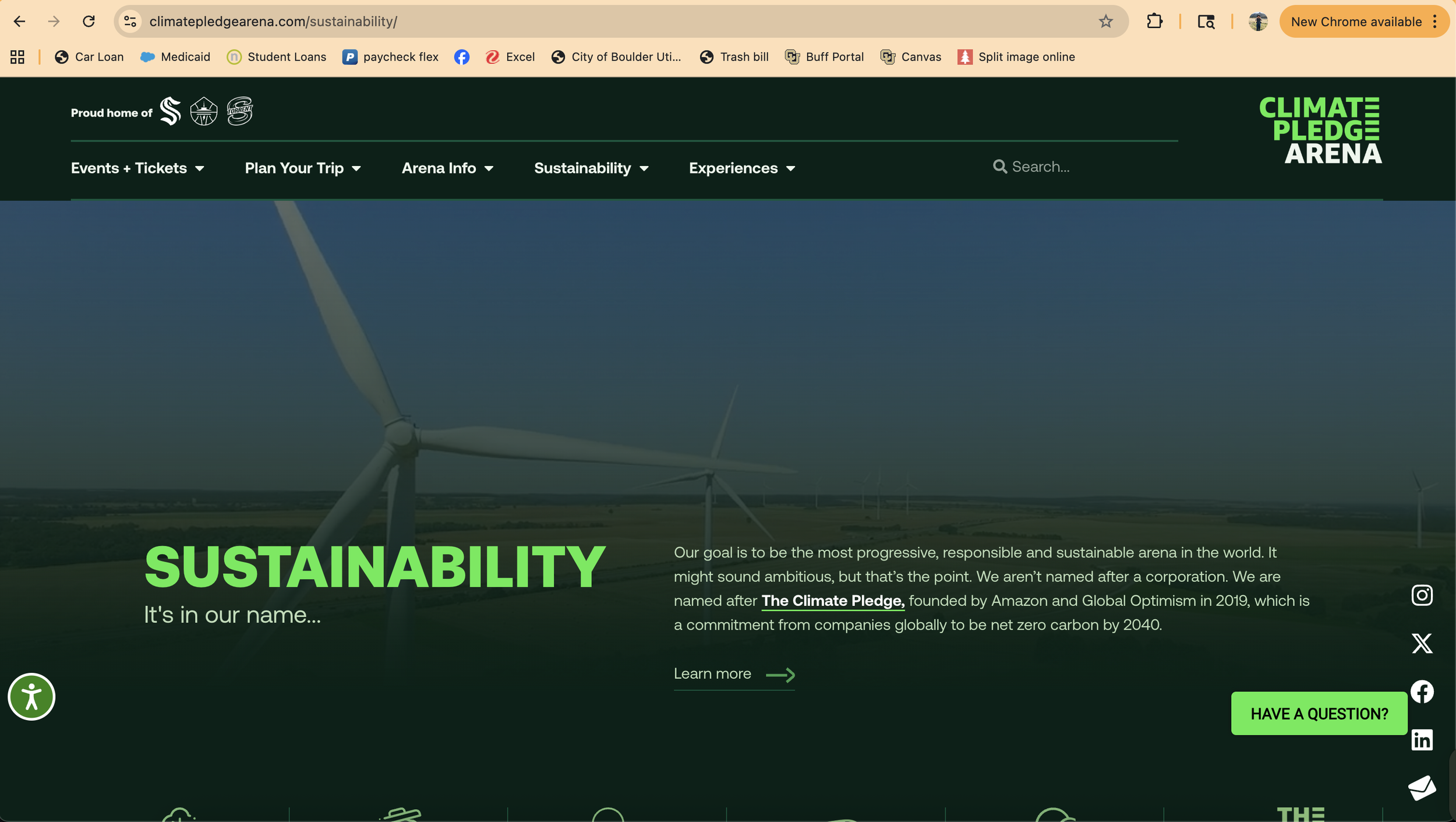
Webpage Recommendations refers to best practices for designing and maintaining a dedicated sustainability page on a venue or event organization’s website. This page serves as a centralized, public-facing space to share commitments, initiatives, metrics, partnerships, and opportunities for fan engagement. An effective sustainability webpage combines clear messaging, compelling visuals, and transparent data to communicate an organization’s environmental impact and long-term vision.
A sustainability webpage is often the first place fans, artists, partners, and community members go to understand an organization’s values and authenticity. Research across the live-events industry shows that audiences want to see visible sustainability commitments and updates that feel real, accessible, and ongoing. A well-designed webpage builds trust, enhances brand identity, and demonstrates leadership by showing the organization’s progress and goals in a transparent, engaging way. In contrast, pages that are outdated, hidden, or overly technical miss a critical opportunity to connect with audiences and strengthen credibility.
How
-
Include a clearly labeled “Sustainability” tab in the main site navigation.
Open the webpage with a clear mission statement that sets tone and intention.
Avoid burying the page in a footer or sub-menu where it’s hard to find.
-
Celebrate current initiatives while outlining future goals.
Use an accessible, authentic tone that reflects your organization’s identity.
Publish updates consistently, whether quarterly, seasonally, or annually, to demonstrate follow-through.
Highlight partnerships, programs, certifications, and artist initiatives that reinforce your sustainability story.
-
Use visuals to make information easy to understand and engaging:
Infographics
Photos of behind-the-scenes operations
Short videos or animations
Event highlights or impact snapshots
Dynamic features like scrolling graphics or interactive elements help bring sustainability work to life.
-
Add timelines, progress trackers, and impact dashboards where possible.
Use graphs, bars, or simple visual indicators to communicate metrics at a glance.
Present data in digestible formats so users understand impact without needing technical expertise.
Transparency builds trust and strengthens accountability.
-
Provide clear calls to action (e.g., volunteer events, donation drives, voting initiatives).
Spotlight local nonprofits and community partners.
Feature rotating “Artist Spotlights” to showcase musicians advancing sustainability.
This helps extend sustainability beyond the venue walls and strengthens community relationships.
Why
Sample Webpage from Climate Pledge Arena (Seattle, WA)
Front of House Posters and Signage
What
FOH posters and signage refer to all guest-facing visual materials used throughout a venue to communicate sustainability messages, expectations, and opportunities for participation. These may include posters, flyers, digital screens, waste sorting guides, mirror decals, bar signs, and creative temporary signage. FOH signage leverages existing visual spaces to inform patrons, inspire action, and integrate sustainability into the overall event experience.
Patrons rely on clear visual cues to understand how to participate in a venue’s sustainability efforts. FOH signage meets them where decisions happen at bins, bars, bathrooms, entrances, and walkways, making sustainable choices easier, faster, and more intuitive. Research across the live-events industry shows that fans are not only open to sustainability messaging but also prefer venues that communicate transparently about their initiatives. Effective FOH signage enhances diversion accuracy, reduces contamination, strengthens brand identity, and helps create a concert experience where sustainability feels natural and engaging.
How
-
Take advantage of poster sleeves, wall space, merchandise corridors, entrance areas, digital screens, and bathrooms to highlight sustainability messaging without requiring new infrastructure.
(Bonus points for leaving dry-erase markers on bathroom mirrors and using chalk in front of venues for creative messaging opportunities!)
-
Design intuitive, image-based signage that shows exactly what goes into each stream.
Place guides:At every waste station
Near bars and food vendors
In high-traffic corridors
These reduce contamination and help guests make quick, accurate decisions.
-
Use a cohesive visual style, familiar icons, and a clear tone across all FOH signage. Messages should feel encouraging, upbeat, and aligned with the venue’s identity, and should not be preachy or technical.
Why
Sample Signage: