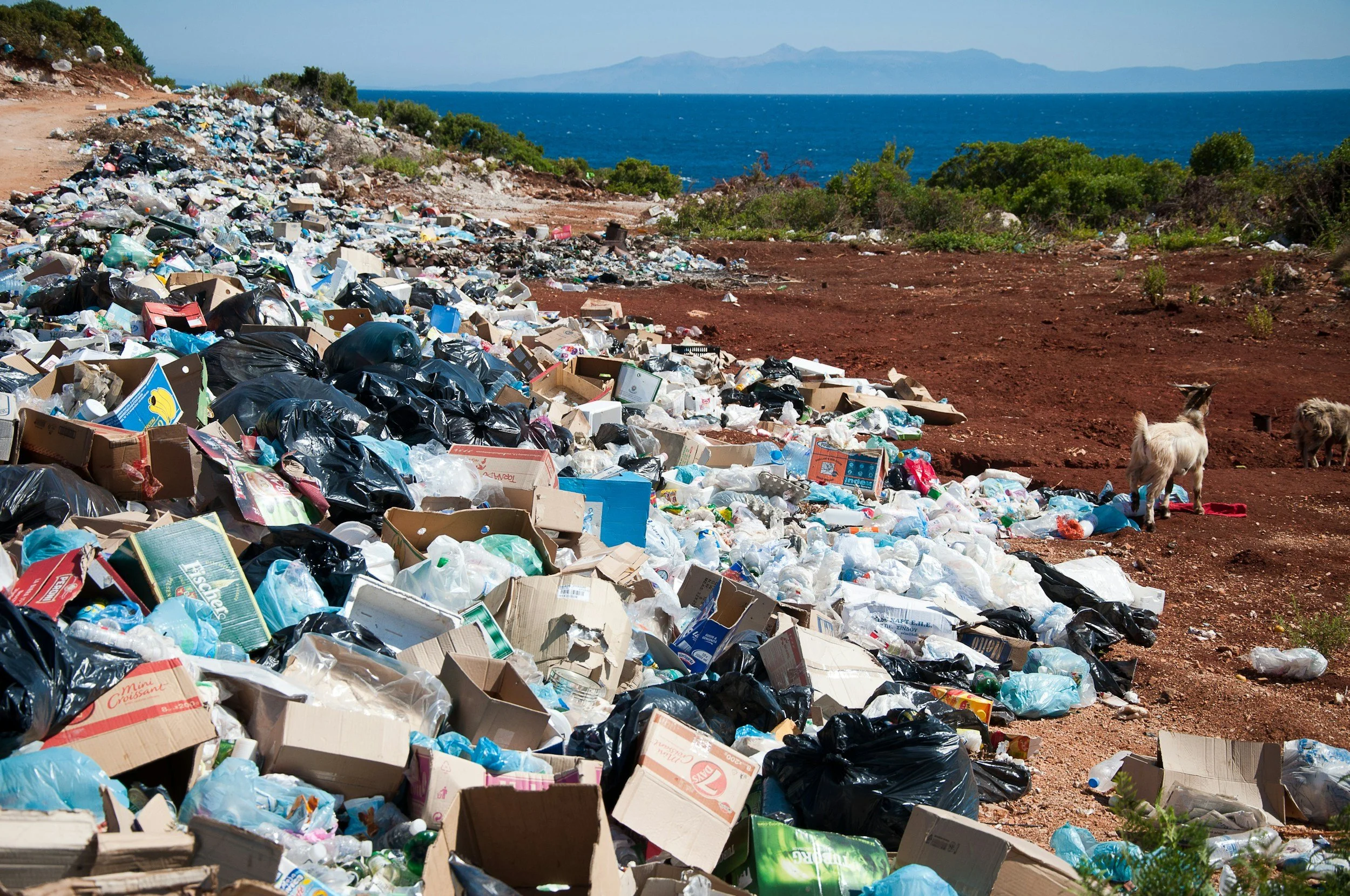
Why care about waste?
The average person in the US produces 4.9 pounds of waste per day—that’s almost 1,800 pounds per year.
The US population as a whole produces a total of 584.8 billion pounds of waste per year.
Only 32.1% of that waste is diverted, which means that about 397.1 billion pounds of trash end up in landfills each year.
That’s a lot of numbers, but the idea is that we are producing more waste than our world can handle. While thinking about this in terms of our individual impact may seem insignificant, helping patrons of your business do their part in diverting waste not only protects the environment, but also sets you apart as a leader in the industry.
The above data is sourced from the EPA’s 2018 National Overview: Facts and Figures on Materials, Wastes and Recycling.
So, what can you do?
Real change begins with people , like you, who care to make a difference. This page outlines actionable steps in waste management and diversion strategies that can be implemented into your operational practices and increase your business’s sustainability.
Key Terms
-
Your business’s waste stream is the composition of the waste you generate, which often includes categories such as recycling, landfill, compost, etc.
-
Waste diversion occurs when waste is recycled, composted, or goes through other reuse/ repurpose methods, rather than being thrown in landfills. A diversion rate is the percentage of your waste stream that is diverted.
-
Contamination occurs when items that can usually be diverted are unable to be processed at the proper (recycling, composting, hazardous waste, etc.) facilities. Contamination is often caused by liquid and the mixing of waste stream categories.
A contamination rate is a percentage representing how often the recyclable and compostable materials in a waste stream become contaminated and are unable to be diverted from landfills
Recommendations
-
![High definition image of water being poured out of a water bottle with a black background that fades into blue on the bottom]()
Liquid Disposals
Decrease liquid contamination and increase waste diversion rates when patrons pour out their drinks before throwing them away.
-
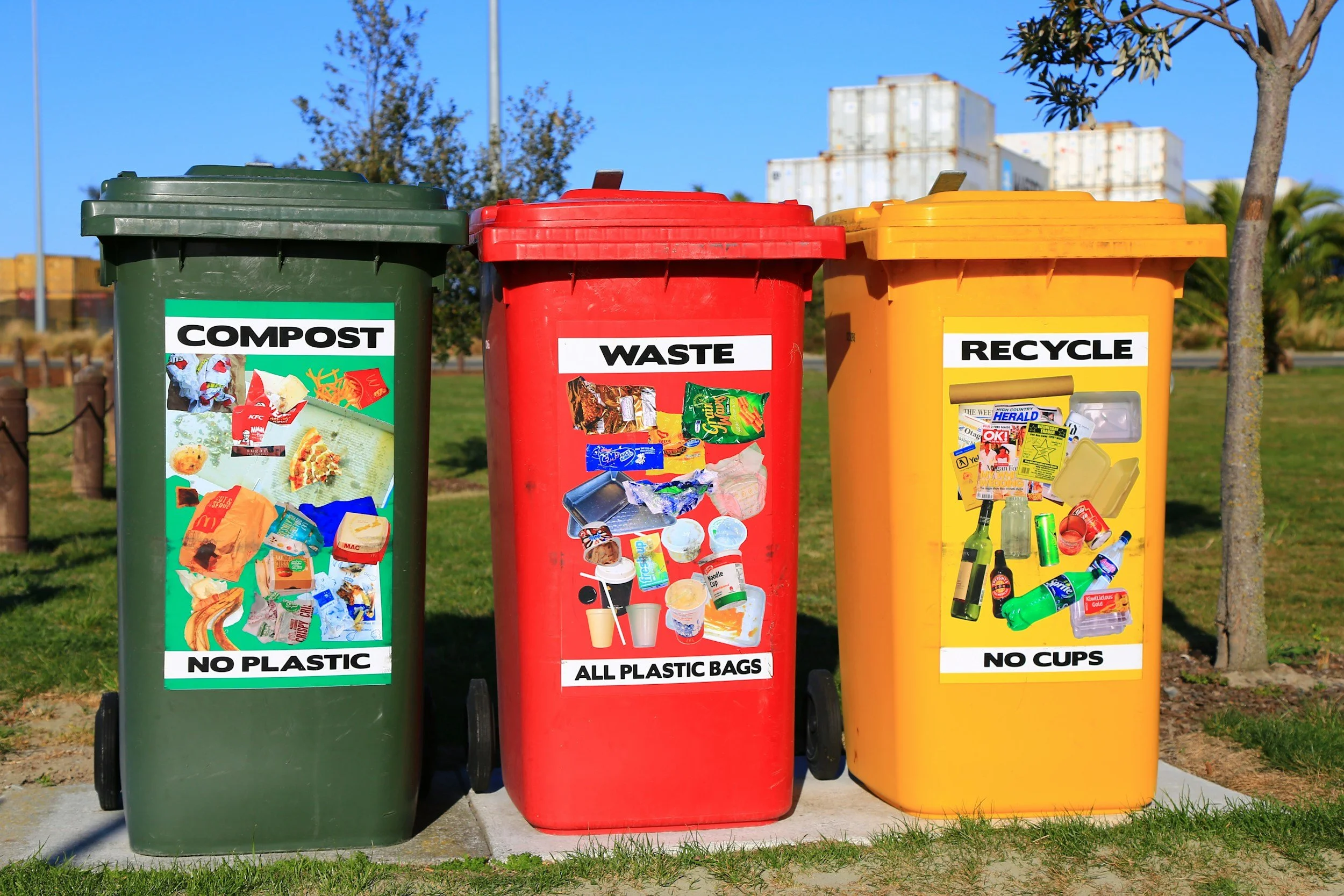
![A green compost bin, red landfill bin, and yellow recycling bin in a park]()
Bin Labels and Signage
Help patrons properly sort their waste with these best practices for bin labels and signage.
-
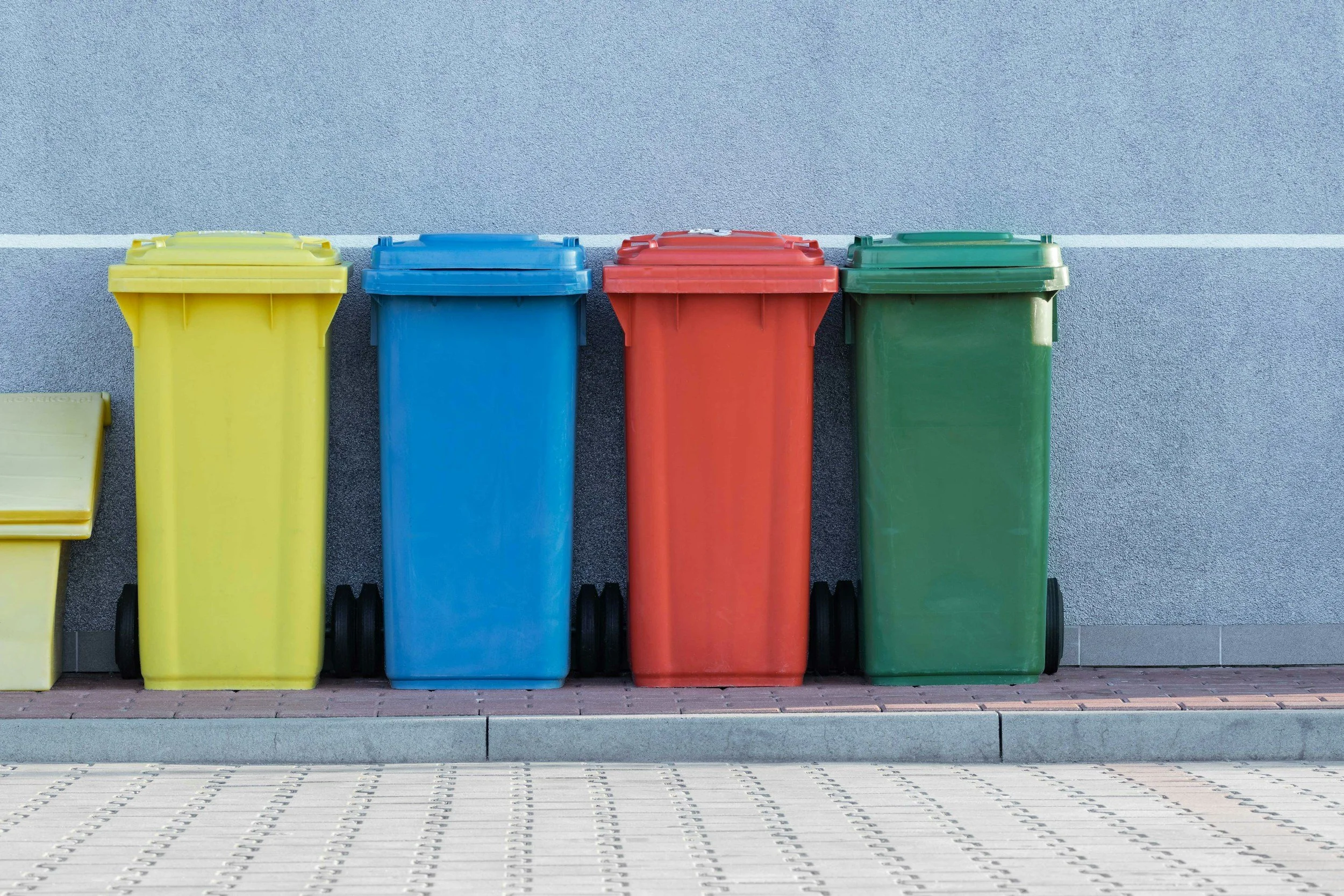
![Yellow, blue, red, and green unlabeled waste bins on a tan and red brick sidewalk against a grey wall]()
Bin Mapping
Avoid overflow and help patrons sproperly sort their waste by placing waste bins around the venue based on common behaviors and crowd flow.
-
![Compost pile in dirt with apples, leaves, and various food scraps. A piece of paper that appears to be a receipt contaminates the compost pile.]()
Composting
Increase waste diversion rates with these best practices in composting
-
![]()
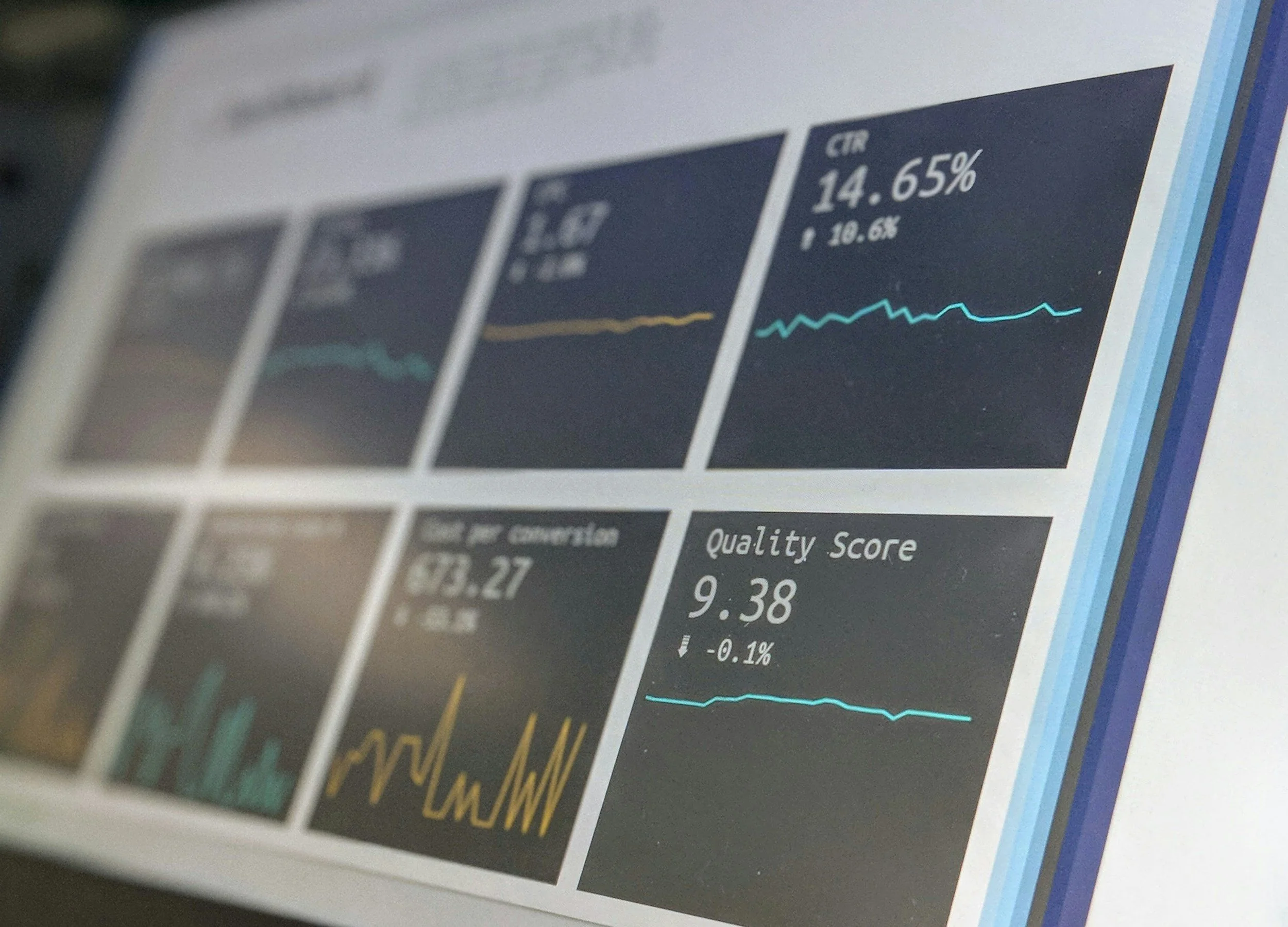
Metrics Tracking
Monitor the progress and effectiveness of sustainable initiatives through metrics tracking methods


Liquid disposals are large bins into which patrons pour out their drinks and other liquids before disposing of their drinkware. These liquid disposal bins operate similarly to the receptacles provided at airport security, for example, where water bottles must be poured out before entering the terminals.
1
2
3
What
How
Place a bin without a liner next to recycling and compost bins, or place one bin in a central location. This will serve as the liquid disposal bin where patrons pour out their drinks.
Post relevant signage on the liquid disposal bins and recycling bins, asking patrons to pour out their drinks before sorting their waste.
Regarding proper clean up and disposal of liquid, always pour the liquid down a drain. Liquid should not go to a landfill as it contributes to methane emissions.
Liquid Disposals
Why
When recyclable items become wet from liquid and food residue, they cannot be processed at recycling facilities. As a result, these items cannot be diverted and instead end up in landfill. The goal of liquid disposals is to decrease contamination and increase diversion.
Additional Information
Liquid can weigh a lot and contribute significantly to the amount of waste picked up by haulers. Decreasing the weight of waste handled by these waste haulers can actually save you money. Lower volumes of waste require less frequent pickups, lower tipping fees at landfills, and help avoid overload charges, which can decrease the cost of waste hauling services.
See here for more information about decreasing and optimizing hauling costs.
See the EPA’s template for estimating hauling costs here.
What
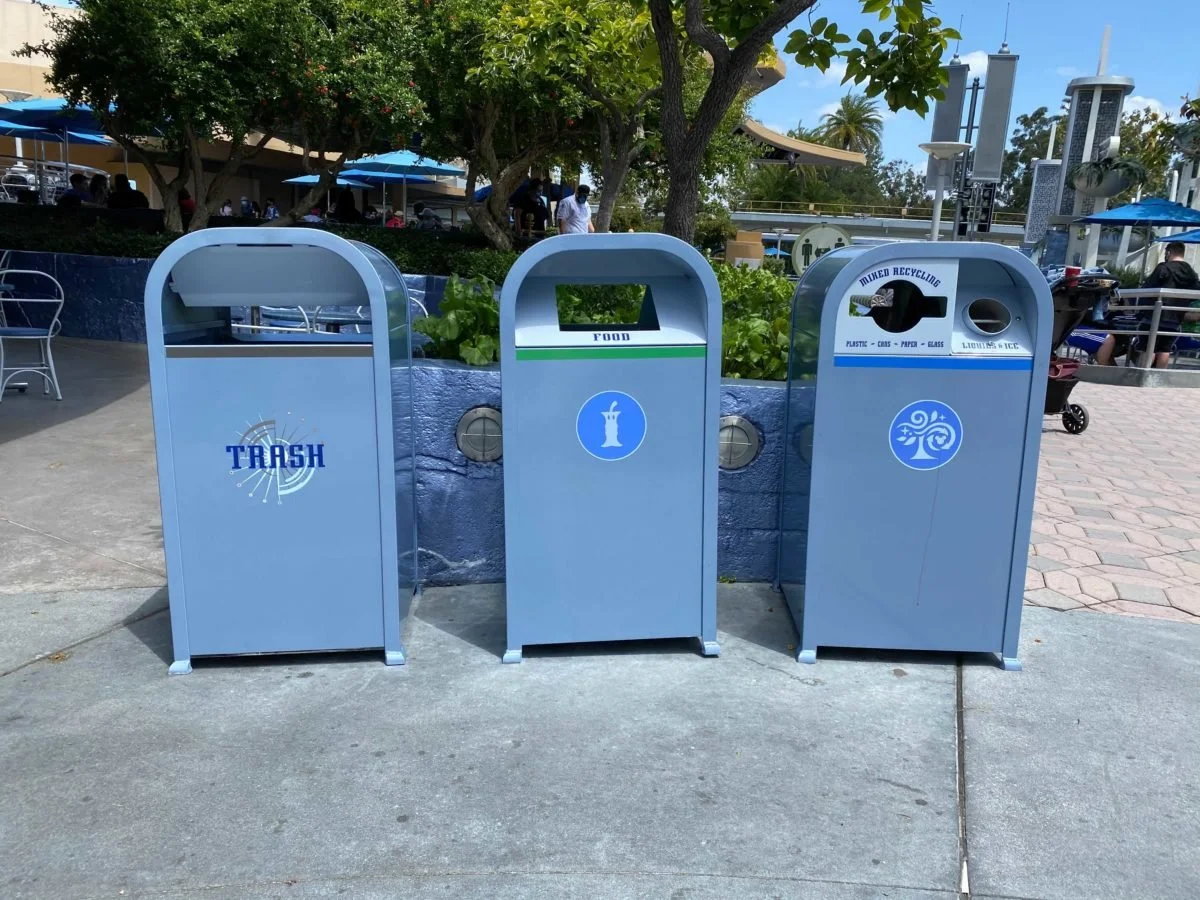
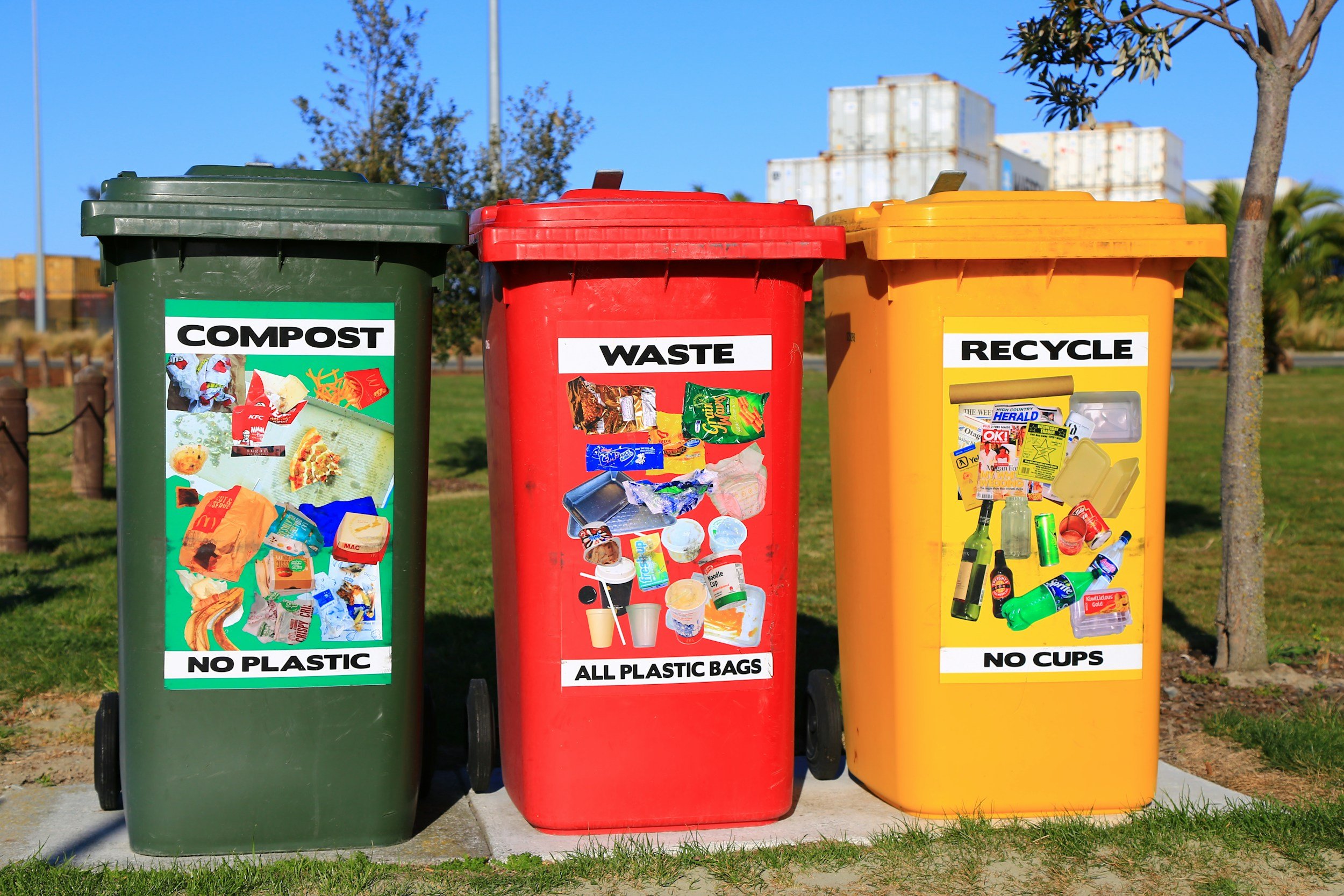
Bin labels are used on apertures and/or sides of bins to indicate whether a bin is for landfill, recycling, or compost, and bin signage clearly communicates which specific items belong in each bin.
1
2
3
Content and Design
Accessibility
Where To Post
How
Bin Labels and Signage
Why
Proper sorting strategies are crucial to increasing waste diversion rates. High diversion rates are widely respected as a sustainability indicator because the process of waste diversion extends the life of single-use materials and helps reduce waste in landfills
Bin labels and signage posted around the venue should be venue-specific. Pictures on signage should reflect products you offer at your business. Although a picture of every product will not fit on a flyer or label, popular items will be the most useful to use as references.
Color coding (e.g., green for recycling and red for landfill) makes it easier for patrons to properly sort their waste and provides consistency throughout the venue.
For accessibility and the sake of viewer-friendliness, bin labels and signage should include pictures as well as text.
Lighting in venues is focused on the performance and can be limited around disposal areas. Therefore, bin labels and signage should be easily readable in dark spaces.
This can be achieved by using:
A light background with dark text
Pictures in addition to words
A sans-serif font
A larger font size (5/8—2 inches)
Bin labels should be posted on the tops of bin apertures and on the sides of bins.
In addition to bin labels, signage to help guide patrons sort their waste should be posted around the venue.
The addition of signage in bathrooms, for example,reinforces proper sorting practices and serves as an additional resource for patrons.
Additional Information
For increased sustainability, print labels and signage on compostable or recyclable paper and use environmentally-friendly laminates for protection.
1) Bio-based and compostable: Lam'on
2) Recyclable and biodegradable: Cellogreen
What
Bin mapping is strategically placing recycling and landfill bins in areas that encourage proper sorting based on common patron behavior. For example, patrons are likely to dispose of bottles near the bar as they return for another drink. In order to avoid bin overflow and provide ample opportunity for proper sorting, housing additional recycling bins in this area would increase the likelihood of waste diversion, rather than a recyclable item ending up in a landfill bin.
1
3
How
Bin Mapping
Identify Pinch Points
Observe patron behavior in order to strategize bin placements. Extra bins should be located in high-traffic areas and areas of congestion such as entrances and exit ways. Because of this behavior, bins can become full quickly, and if there is not enough room in a recycling bin, patrons are likely to place a recyclable item into a landfill bin to avoid overflow.
Co-Locate Recycling and Landfill Bins
If a patron has to search for a recycling bin, they are likely to dispose of a recyclable item in a landfill bin out of ease. Co-location is crucial to supporting patrons and their sorting habits, and therefore increase diversion rates and decrease contamination rates.
Why
Bin mapping not only helps decrease contamination rates and increase diversion rates. It also allows you to see in real time how effective waste management strategies perform, and “As a result, overflowing bins, low recycling participation, and irregular collection become easier to track when data is organized visually”, according to MAPOG’s guide to improving waste management.
2
4
Observe Types of Waste
Note the types of waste being thrown out in key areas of the venue.
In bathrooms, patrons are likely disposing of paper towels, while drinks are commonly disposed of near the bar. It would be beneficial to place more recycling bins than landfill bins in these areas to avoid overflow and help patrons sort properly.
Near vendors, patrons are likely throwing away more food items, so compost bins should be located here.
Co-Locate Recycling and Landfill Bins
Depending on your city’s composting regulations, it might be more beneficial to place compost bins away from recycling and landfill bins. as a city in which composting facilities only accept food scraps and yard trimmings.
This may seem counter-intuitive, but in these scenarios, compost bins should be the most difficult to locate. Patrons that seek to compost are likely more intentional about their sorting habits and will search for a compost bin, even if it is not in direct sight.
Read more about patron behavior and best practices for implementing composting in the Composting section.
Additional Information
Bins can be labeled with their specific location for ease of placement.
Spatial analysis tools can help further strategize bin placement. This guide by EventMapStudio was created for larger event spaces such as festivals, but can be applied to venue-specific bin mapping.
What
Composting helps combat climate change by diverting organic waste from landfills, where it would otherwise generate GHG emissions. When composted, organic materials are turned into an extremely valuable resource: organic fertilizer.
Due to varying composting regulations across cities and states, this page focuses mostly on food waste.

How
Composting

Why
The UDSA estimates that “in 2010 food loss and waste at the retail and consumer levels was 31 percent of the food supply, equaling 133 billion pounds and almost $162 billion”
Food waste not only contributes to increased emissions but also affects our society. According to the USDA, “land, water, labor, energy and other inputs are used in producing, processing, transporting, preparing, storing, and disposing of discarded food”.

-
FoH bins need to be checked for contamination, such as non-compostable items in the bin, before being emptied into a larger dumpster. Some patrons may be unfamiliar with city composting regulations and might mistake a non-compostable item as compostable.
Composting bins should be the hardest to find—patrons who seek to compost are likely aware of composting regulations and will search for a compost bin to sort their waste correctly.
Signage is extremely important! Create color-coded labels and signs featuring text and images of compostable products used and served at your venue. See Bin Labels and Signage for more information.
Consider starting with a pilot program. Begin by placing compost bins in food-heavy areas to assess the effectiveness of composting strategies.
Monitor bins and empty them regularly to prevent odors, pests, and overflow.
Composting bins should have apertures or lids to guide patrons in their sorting decisions.
-
Educate all staff about composting regulations. Signage is especially useful and promotes proper sorting.
Frequently empty compost bins to avoid unpleasant smells, attracting pests, and beginning stages of the breakdown process. Create a schedule or closing job to ensure compost gets taken out.
Always check for contamination when taking BoH bins to larger composting dumpsters. Encouraging employees to spot check when they use the bins, as well as double-check what they are putting in the bins, promotes accountability.
Use multiple smaller bins in high-traffic areas, such as in kitchens. This makes checking for contamination more feasible and incentivizes the regular emptying of bins.
-
Remove packaging first
Twist ties, plastic wraps, stickers, linings, etc., contaminate the compost.
No ‘wish-cycling’
When in doubt, throw it out! Even a small amount of contamination can make the entire load unable to be processed.
Bag liners
If choosing to use a bag liner, make sure it complies with your city’s composting guidelines. Composting Manufacturing Alliance (CMA)-approved compostable bags that are three gallons or less are able to be processed at most facilities. See this list of approved liners and where to source them from the CMA’s website.
Stay up-to-date on composting regulations
Composting guidelines change often as we innovate and discover more about composting.
Check your city’s website regularly for updated regulations and tips for proper sorting.
What
There are many ways to quantify the impact of waste reduction strategies. These include measuring the total waste by weight or volume, calculating the diversion and contamination rates, and calculating the cost of hauling and disposal.
1
2
3
How
Waste Metrics Tracking
Why
Reviewing waste management data provides insight into the success of waste management and diversion strategies. This is valuable data that can be shared with staff, patrons, and the community to build trust and demonstrate your venue’s commitment to sustainability.
By request, haulers will provide the combined weight and volume of waste (both landfill and recycling) hauled from your dumpsters.
If dumpsters are shared with neighboring businesses, you can estimate your portion of waste using the aforementioned waste hauler data, combined with frequency of pickup, occupancy data, and number of businesses that contribute to the shared dumpster.
Diversion rate can be found by dividing the estimated recycling and compost weights by the estimated total waste weight.
This method would have the lowest impact on janitorial staff, but only allows for rough estimations. It can also produce data for calculating estimated waste diversion rates, but does not provide information regarding contamination.
When conducting complete waste audits is not feasible, you can estimate diversion rates. See Waste Audit Methodology to learn more about complete waste audits.
This process can be performed as a venue sees fit, for example, when metrics need to be updated, but the goal of this method is to gather data that reflects the wide range of events that your venue hosts in order to provide the most accurate reflection of waste produced overall. Best practices regarding the frequency and timing of the modified audits for increased accuracy and holistic data sets include the following:
Select a variety of events that will attract different groups of people. Consider the demographics and number of people that might attend different events. Factors such as the average age of the crowd, genre of music, the popularity of the artist, etc. contribute to the patron sorting behaviors that will occur. A lesser known pop artist might attract a smaller, younger crowd, while a popular rock band might attract a larger, older crowd.
Select a variety of events held on different days of the week. An event held on a weekend may attract a larger audience as opposed to an event occurring on weekdays.
Select a variety of events hosted by your business, as well as third parties, if applicable. Although your business may not be holding the event itself, third party hosts still produce waste. Gathering data from both of these scenarios will help inform your sustainability guidelines for third-party renters as well as your business’s own events moving forward.
Consider performing this method during different points throughout the year. More waste will be produced in the fall around ‘Rocktober’ due to the increased number of events, while less waste may be produced during a slower season.
See the Modified Waste Audit Template for step-by-step instructions with embedded formulas for calculating estimated waste diversion rates. This method requires some hands-on data collection but provides personalized data and a less in-depth alternative to a complete waste audit.
Complete waste audits require a more hands-on approach but provide the most accurate data and allow for more diverse data analysis. A waste audit is conducted by weighing the amount of waste produced in the categories of landfill, recycling, and compost, and then analyzing this data to calculate waste stream composition, diversion rates, contamination rates, and more.
This Waste Audit Template includes a spreadsheet with formulas to calculate waste streams. See the above recommendations for best practices regarding the frequency of performing waste audits in the modified waste audit method section.
Additional Information
Below are metrics tracking methods aimed to find a business’ waste stream, diversion rates, and contamination rates. They are ranked in order from lowest effort required to heaviest lift
The modified waste audit method is similar to the complete waste audit method but is less time consuming and requires a reduced workload.
Waste Hauler Collaboration Method
Modified Waste Audit Method
Complete Waste Audit Method
Many software programs and tracking systems exist online, such as ENERGY STAR's Waste Portfolio Manager. This resource provides a great step-by-step guide for setting up, implementing, and reviewing metrics.
Capterra’s list of waste management tracking software includes ratings and key features of software that can reduce the impact and workload on staff.