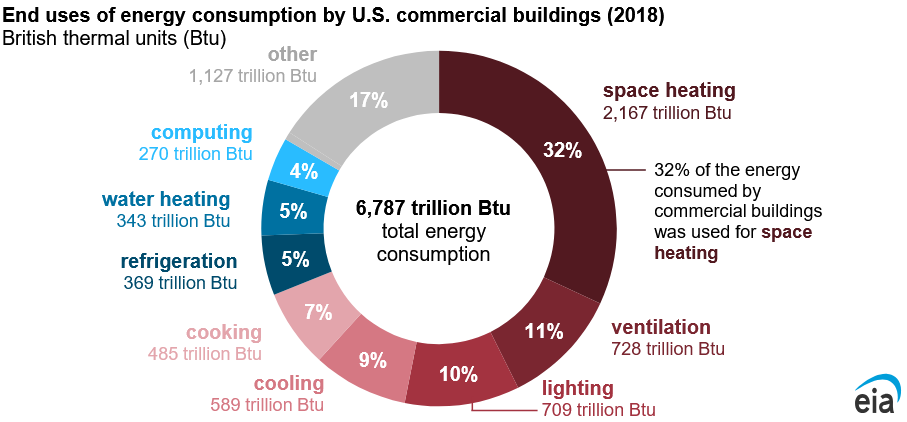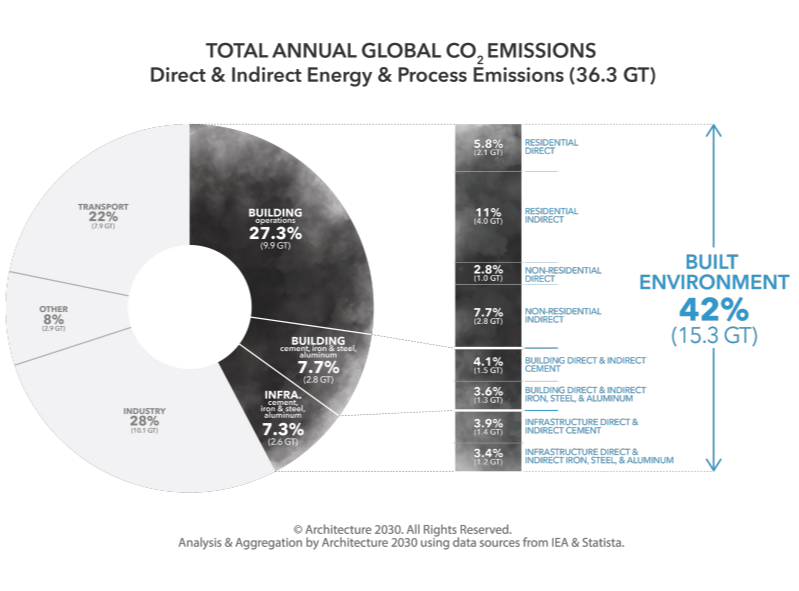
Music venues, studios, and live event spaces are energy-intensive. From stage lighting and sound systems to heating, ventilation, and air conditioning (HVAC), energy use is constant, especially during large events. By decarbonizing buildings, venues can significantly cut greenhouse gas emissions, reduce energy costs, and create more comfortable spaces for performers and audiences alike.
National research shows that combining energy efficiency upgrades with electrification can reduce building emissions by up to 90% while delivering substantial cost savings, making sustainability not just good for the planet, but also smart for business.
Why Does Decarbonization Matter in Music Venues?
Buildings’ Contributions to Emissions:
-
Stage and house lighting, HVAC, sound systems, and other equipment that consumes large amounts of energy, often powered by fossil fuels
-
Poor insulation, outdated roofs, and backstage areas that leak heat or cool air, driving higher energy demand
-
Outdated controls, manual schedules, and unmanaged plug loads, including amps, mixers, and other production gear
Strategies for Decarbonizing Music Venues
-
![]()
Heat Pumps
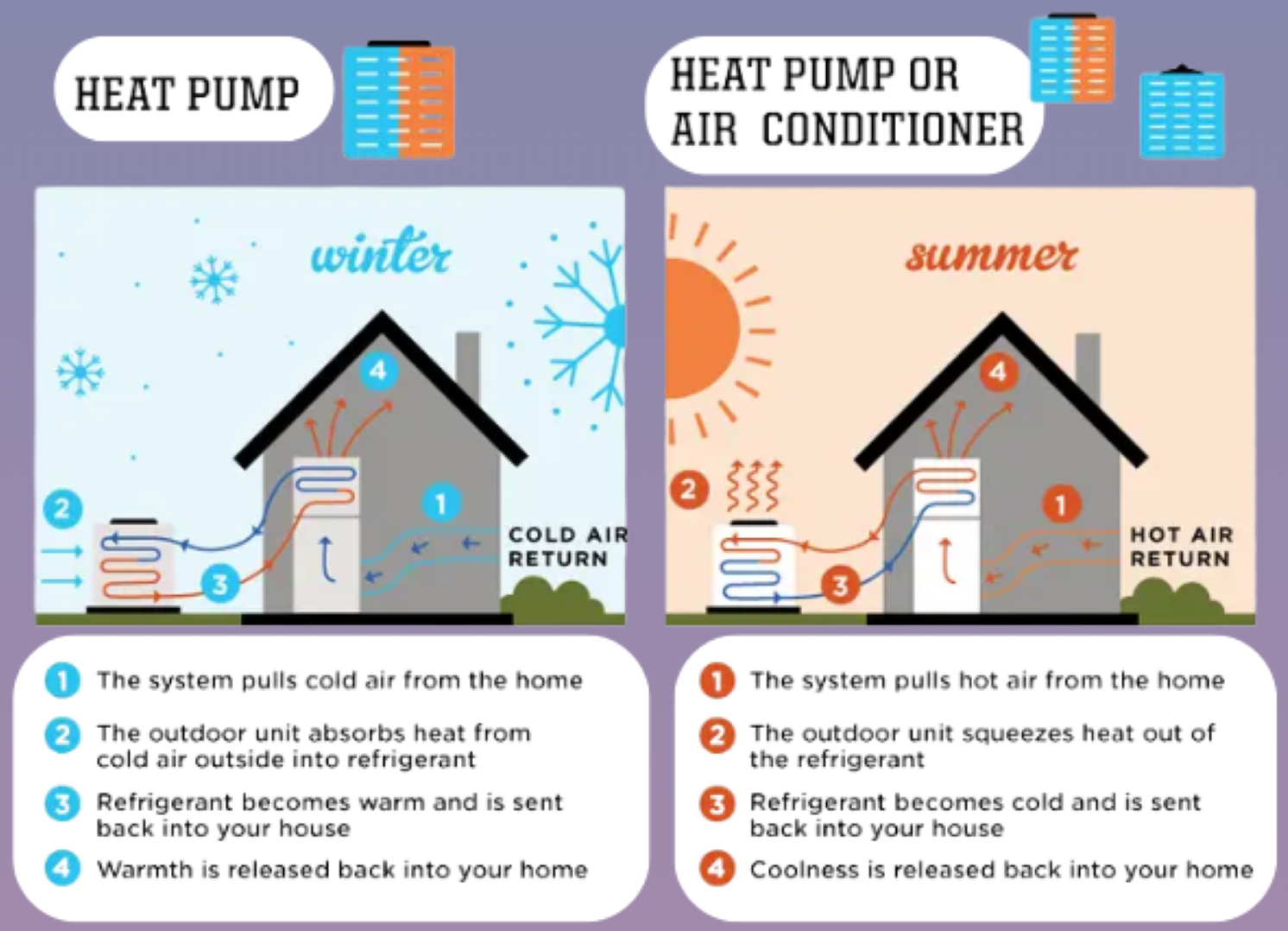
Heat pumps provide heating and cooling through the use of electricity.
-
![]()
Air Curtains
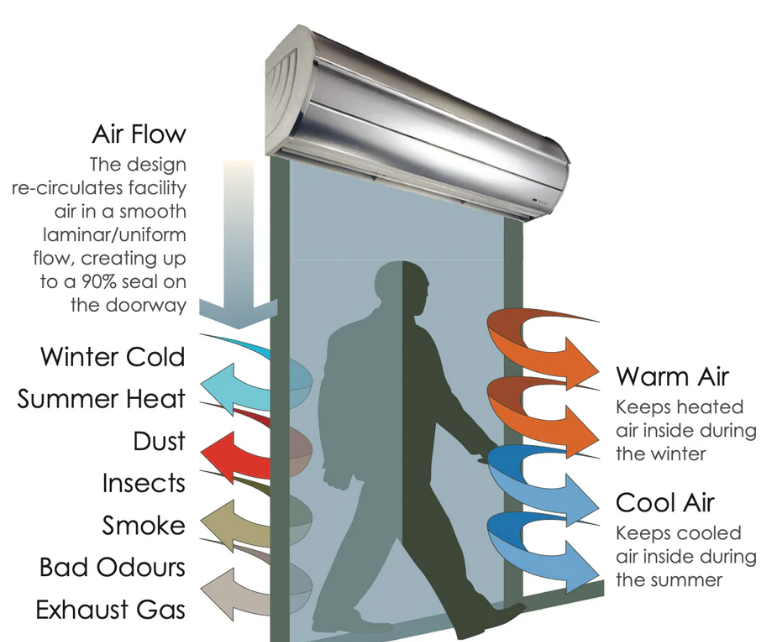
Prevents outdoor climate from entering the building when doors are open for an extended period.
-
![]()
LED Retrofitting
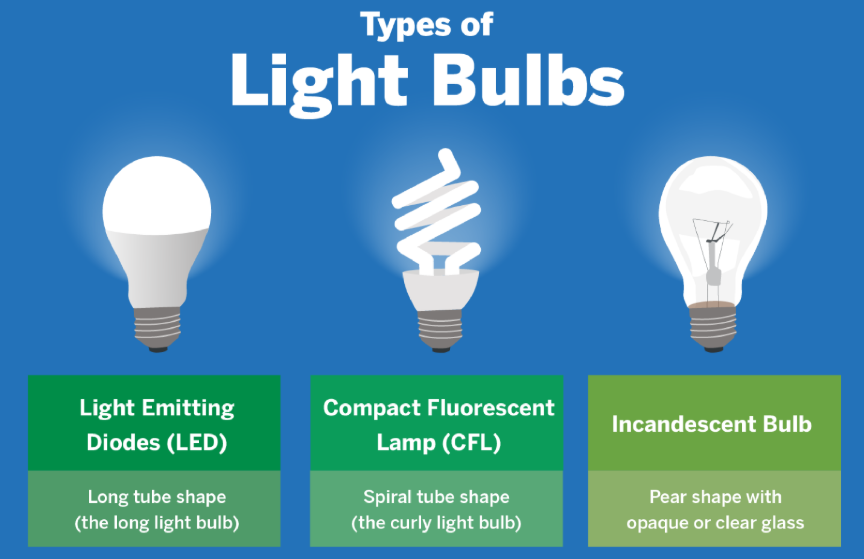
Transitioning to LED lights results in lower energy use.
-
![]()
Occupancy Sensor
Music venues have varying crowd density; installing sensors ensures your system is running efficiently.
-
![]()
Building Envelope Improvements
Building envelopes become major pathways for heat transfer, contributing up to 45% of energy loss.


Heat Pumps
What
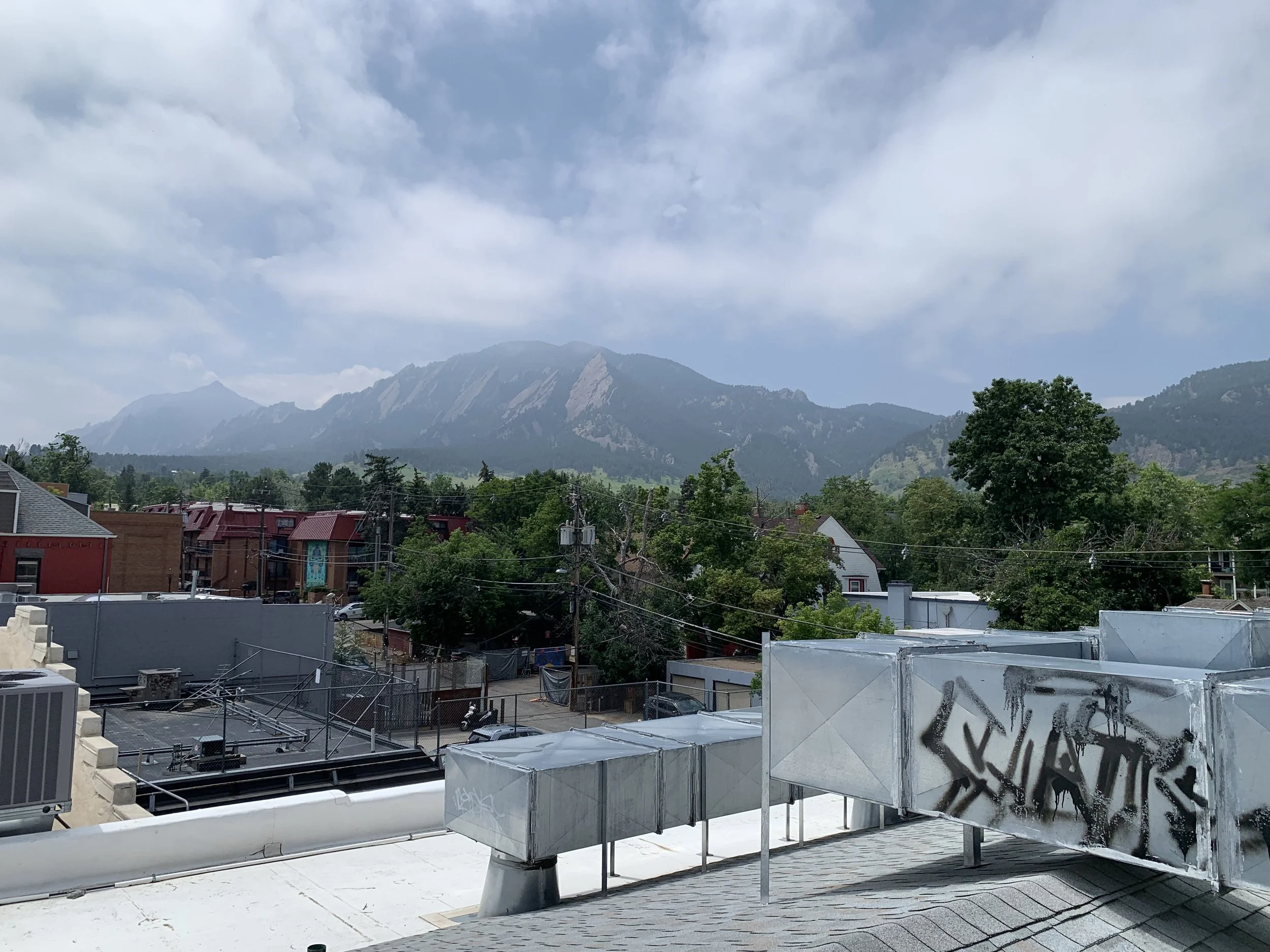
Heat pumps are an energy-efficient alternative to traditional heating and cooling systems. Advances in cold-climate performance, hybrid options, and water heating integration make them viable even in extreme weather. These systems heat and cool a building by moving air in and out using electricity. Hybrid systems heat using the same method described above, but automatically switch over to natural gas at a specific temperature setting.
Why
Replacing end-of-life HVAC equipment is necessary to ensure these systems maintain a high level of effectiveness and occupancy comfort. Although heat pumps primarily use electricity, which is often more expensive than natural gas, coupling building envelope improvements with these measures maximizes energy savings potential.
-
Ducted air-source heat pumps use existing or newly installed ductwork to distribute heated or cooled air throughout a building, making them a strong replacement for traditional forced-air HVAC systems.
They offer high efficiency, lower operating costs, and year-round comfort by providing both heating and cooling.
These systems are ideal for homes or commercial spaces that already have duct infrastructure or need whole-building temperature control.
-
Ductless air-source heat pumps, also known as mini-splits, deliver heating and cooling directly to individual rooms without the need for ductwork.
They offer high efficiency, flexible zoning, and easy installation, making them ideal for older buildings without ducts, additions, small commercial spaces, or areas needing individualized temperature control.
These systems help reduce energy loss associated with ducts while providing quiet, targeted comfort.
-
Duel Fuel Heat Pump:
This system combines a traditional electric or refrigerant-based heat pump with a gas furnace. The heat pump handles heating and cooling during mild/moderate weather; when the temperature drops too low for efficient heat pump operation, the furnace automatically takes over.
Benefit: You get the high energy efficiency of a heat pump when possible, and the reliable high heat output of a furnace when needed, making it a strong choice for regions with very cold winters.
Cold-Climate Heat Pump (CCHP):
This is an advanced type of electric air-source heat pump — typically with variable-speed or inverter-driven compressors and other enhancements — designed to operate efficiently and provide sufficient heating even in very cold outdoor temperatures (often well below freezing).
Benefit: Because it relies only on electricity, it can eliminate the need for a separate furnace, reduce carbon emissions, and still heat effectively in cold climates — which is useful where homeowners want to avoid gas or are focused on electrification.
Types
Air Curtains
What
Air curtains help improve the building envelope. A building envelope encompasses all areas of the building that separate the interior from the exterior. Building envelope components include the exterior walls, foundations, roof, windows, and doors. Energy demands are reduced by improving insulation, installing energy-efficient windows, and sealing leaks to minimize heat transfer
Why
During admission periods at entertainment venues, lobby doors often remain open for extended periods. This creates continuous exchange between indoor and outdoor air, forcing the HVAC system to work harder to maintain temperature and comfort. As a result, energy use increases. Building envelopes are already major pathways for heat transfer, responsible for up to 45% of a facility’s overall energy loss, so propping doors open further amplifies this inefficiency.
Benefits
Energy savings
Increased thermal comfort and air quality
Maintains clear sightlines and smooth movement through the entryway
Barrier between the outdoor and indoor climate.
LED Retrofitting
What
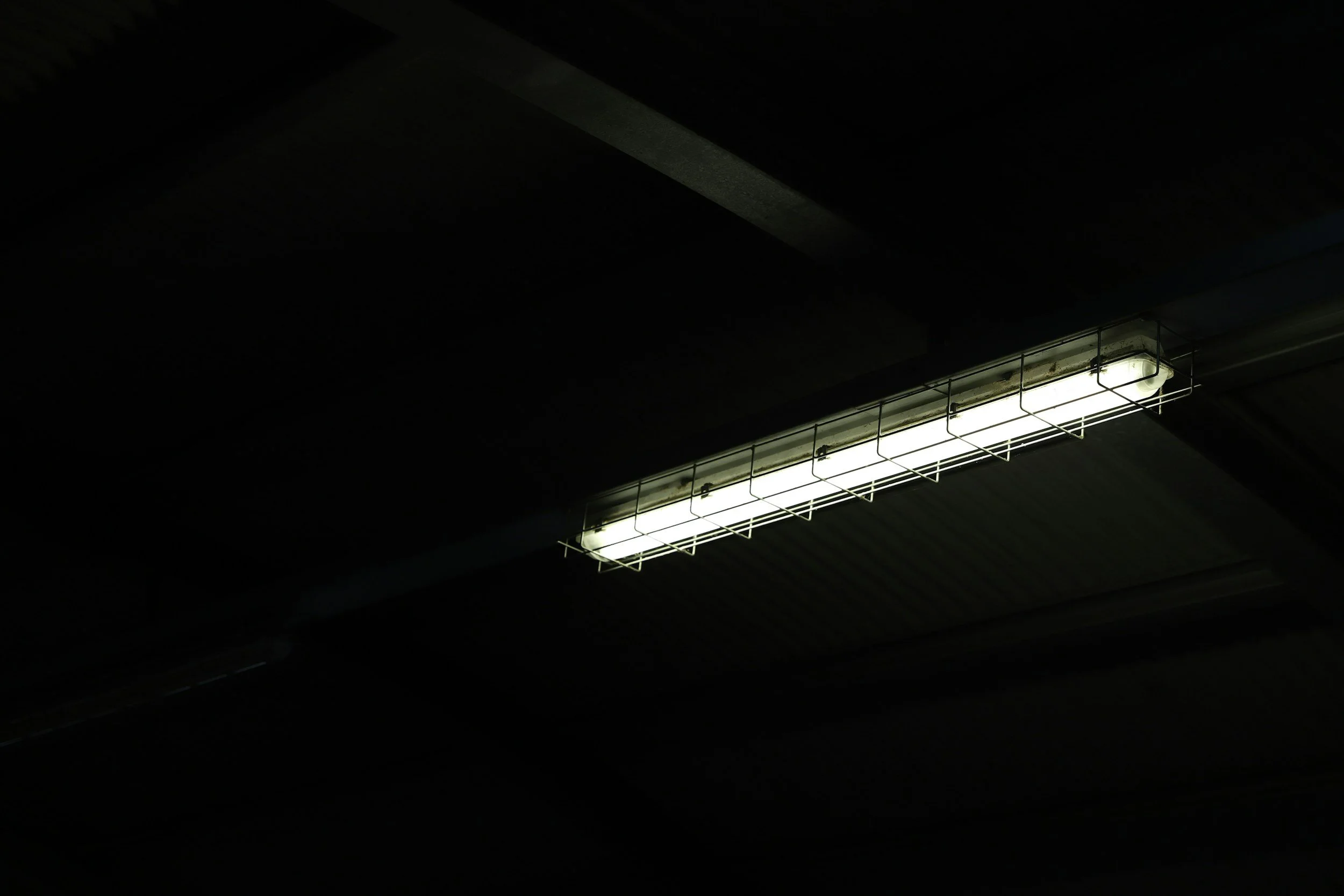
LED (Light Emitting Diode) lights are a type of lighting technology that produces illumination by passing electricity through a tiny semiconductor chip. Unlike traditional bulbs that rely on heating a filament, LEDs create light through an efficient electronic process, making them cooler, longer-lasting, and more energy-efficient. They are widely used in homes, offices, and entertainment settings because of their durability and low power use.
Why
Upgrading to high-efficiency LEDs can improve building system performance by reducing energy use and lowering heating and cooling loads due to the lower heat generated by LED bulbs. Implementing these measures can lower utility costs , energy usage, and enhance occupant comfort.
How
1
Conduct an audit of your building to know which bulbs still need to be replaced with LED.
Reach out to your energy provider to see if there are any rebates available for LED retrofitting.
2
Occupancy Sensor
What
An occupancy sensor is a device that detects movement or presence in a space and automatically controls lighting or equipment based on whether the area is in use. It helps ensure lights and systems only run when people are present.
Why
Music venues should use occupancy sensors to avoid running heating, cooling, or lighting in empty rooms. This reduces energy waste, cut utility costs, and supports sustainability goals while keeping comfort and lighting responsive to real-time needs. By optimizing system use, occupancy sensors can reduce HVAC energy consumption by approximately 36%.
Types
-
Measure indoor carbon dioxide concentration as a proxy for occupancy and, when levels rise, the system adjusts ventilation.
Pros:
Works best in variable occupancy
Directly informs indoor air quality adjustments
Cons:
Can have delays in reaction time of occupancy
Maintenance needed on calibration to stay accurate
Less effective in large spaces
-
Use optical imaging (often paired with AI) to count or track occupants in real time
Pros:
Highly accurate and immediate in response
Integration is possible with other smart systems (e.g. lighting and security)
Cons:
Privacy concerns
Require good lighting
Higher installation costs
-
Sense changes in infrared radiation emitted by people, switching the system to active comfort settings when a presence is detected, and returning to energy-saving modes when the room is empty
Pros:
Low-cost
Simple installation
Immediate responses
Cons:
Detects motion only
Has a limited detection range
Can be falsely triggered
Why

Building Envelope Improvement
The building envelope encompasses all areas of the building that separate the interior from the exterior. Building envelope components include the exterior walls, foundations, roof, windows, and doors.
Improving the building envelope, including better insulation, efficient windows, and sealed openings, helps music venues use less energy, stay comfortable year-round, and maintain consistent sound quality. A tighter envelope lowers utility costs, reduces equipment strain, and creates a better experience for artists and audiences.
-
1. Consider the building’s structure and existing materials
Older brick or masonry venues may need insulation that manages moisture well, while newer framed buildings have more flexibility. Always match insulation to how the building was originally constructed.2. Look for insulation with a high R-value
Higher R-value = better thermal performance. Choose insulation that meets or exceeds the recommended R-values for your climate zone to reduce energy loss and utility costs.3. Prioritize materials with strong acoustic performance
For music venues, sound control matters. Materials like mineral wool (rock wool) provide both good thermal insulation and excellent sound absorption.4. Assess moisture resistance and air sealing needs
In a venue with high occupancy and humidity swings, moisture-tolerant insulation (like spray foam or mineral wool) reduces the risk of condensation, mold, or building damage.5. Balance upfront cost with long-term savings
Closed-cell spray foam has a higher cost but provides exceptional air sealing and moisture protection. Fiberglass is more affordable but may require additional air-sealing measures. Mineral wool offers strong performance at a mid-range cost.6. Ensure proper installation
Even the best insulation underperforms if poorly installed. A qualified installer ensures correct coverage, prevents gaps, and maximizes energy and sound benefits.7. Consider sustainability and indoor air quality
Look for low-VOC, recycled-content, or third-party-certified products. This supports a healthier indoor environment for guests and performers. -
1. Choose energy-efficient glazing
Look for double- or triple-pane windows with low-emissivity (Low-E) coatings. These reduce heat loss in winter, block excess heat in summer, and lower energy costs year-round.2. Prioritize sound control where it matters
For busy streets or late-night shows, select windows with acoustic-rated glazing (STC-rated windows) or laminated glass. These help block outside noise and keep performances sounding clean.3. Look for durable, low-maintenance frames
Materials like fiberglass, composite, or high-quality vinyl resist warping, leaking, and weather damage—qualities important for long-term performance in high-use commercial buildings.4. Check for proper air sealing and installation
Good windows only work if they’re tightly installed. Look for products with strong air infiltration ratings and ensure installers properly flash, seal, and insulate the window openings to avoid drafts and moisture issues.5. Match the window to your climate zone
Cold climates benefit from higher solar heat gain windows to capture winter warmth, while hot climates need windows with lower solar heat gain coefficient to reduce cooling loads.6. Balance aesthetics with performance
Venues often want a strong street presence. You can choose energy-efficient windows that still support historic or architectural character using custom mullions, tints, or specialty glazing.7. Consider sustainability and indoor health
Look for windows made with recycled materials, certified performance ratings, and non-toxic frame materials to reduce environmental impact and improve indoor air quality.
Types