Why care about water?
It may seem like Earth is abundant in natural resources, but did you know that less than 1% of the total water supply is available for human use?
Our water usage contributes to the depletion of reservoirs and water availability, and as of 2015, the United States uses 322 billion gallons of water per day.
The water supply has serious impacts on human and environmental health as lower water levels can lead to higher concentrations of pollutants.
Water conservation strategies and increased efficiency helps lower resource demand, preserves the water supply, and can even reduce the costs of utilities.
The above data is sourced from the United States Environmental Protection Agency.

So, what can you do?
Water conservation contributes to a business's environmental sustainability by preserving freshwater supplies, lowering GHG emissions within the water treatment process, and mitigate while reducing utility costs and saving energy. This page outlines actionable steps for integrating water conservation into your operational practices to increase your business’s sustainability.
Recommendations
-
![]()
Leak Mitigation
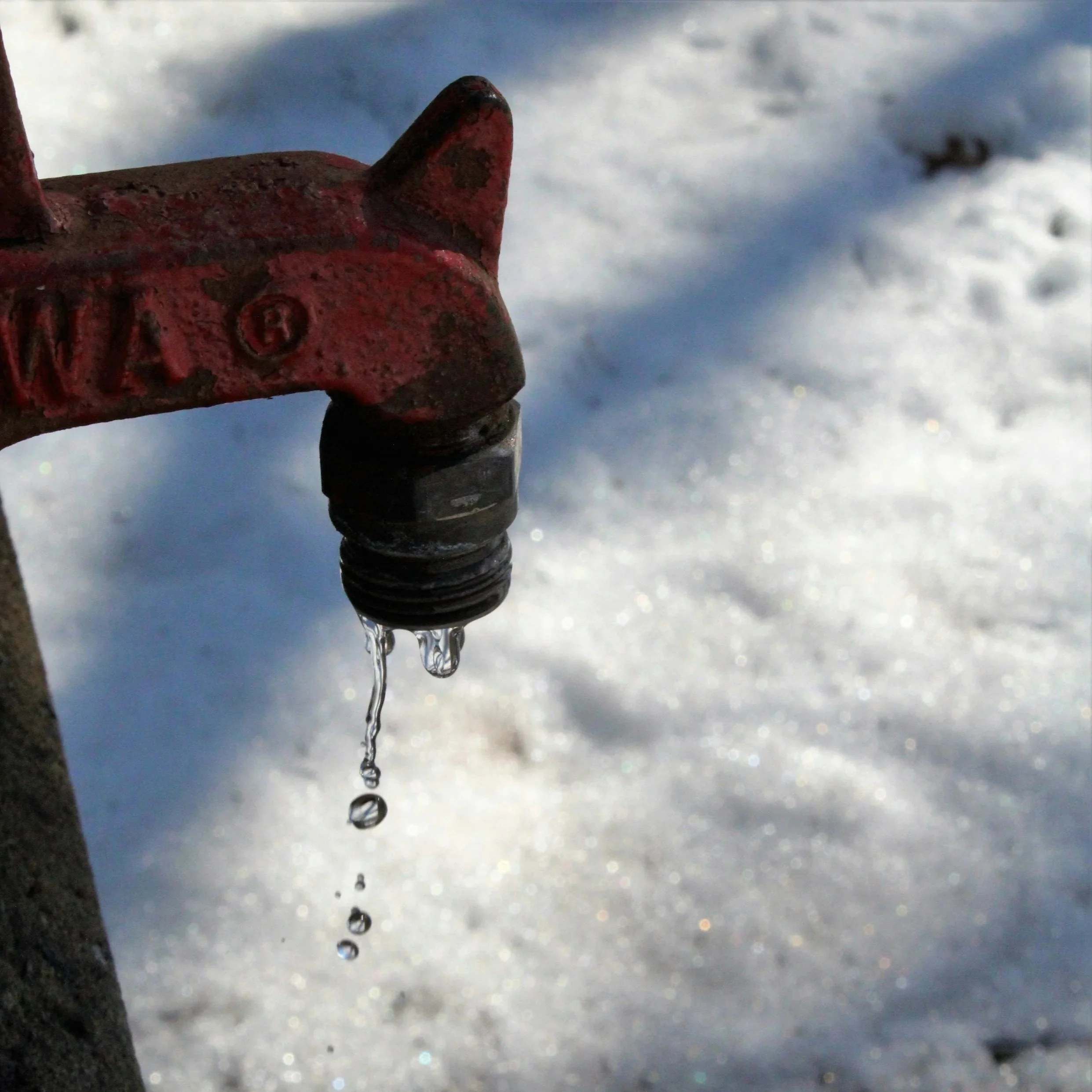
Prevent and fix leaks to avoid water loss, increased utility bills, and damage to infrastructure.
-
![]()
Aerators
Faucet aerators conserve water, improve efficiency, save energy, help lower utility bills, and filter debris.
-
![]()
Low-Flow Toilets
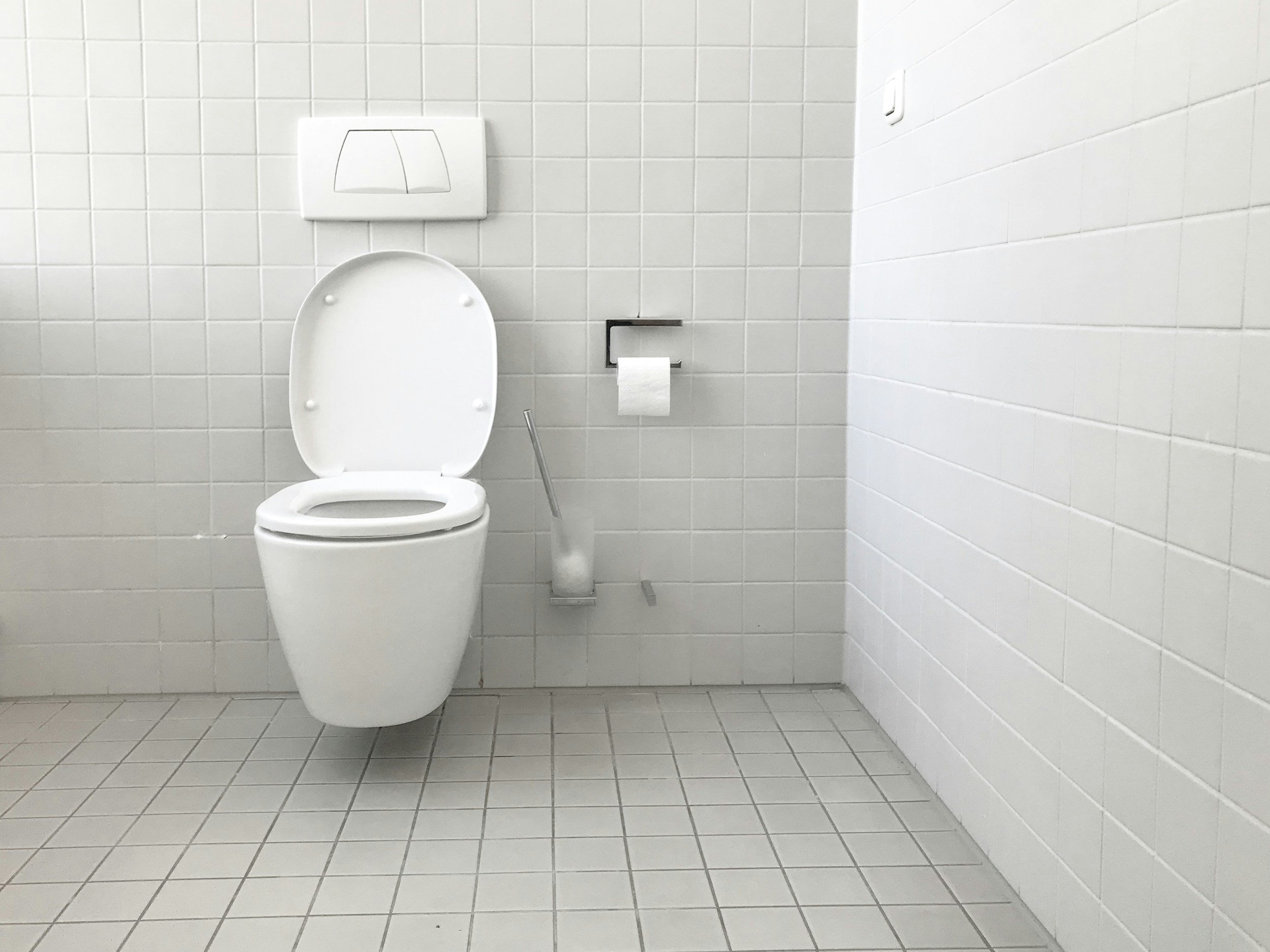
Conserve water and save money with low-flow toilets that only require 1.28 gallons per flush or less.
-
![]()
Dishwashers
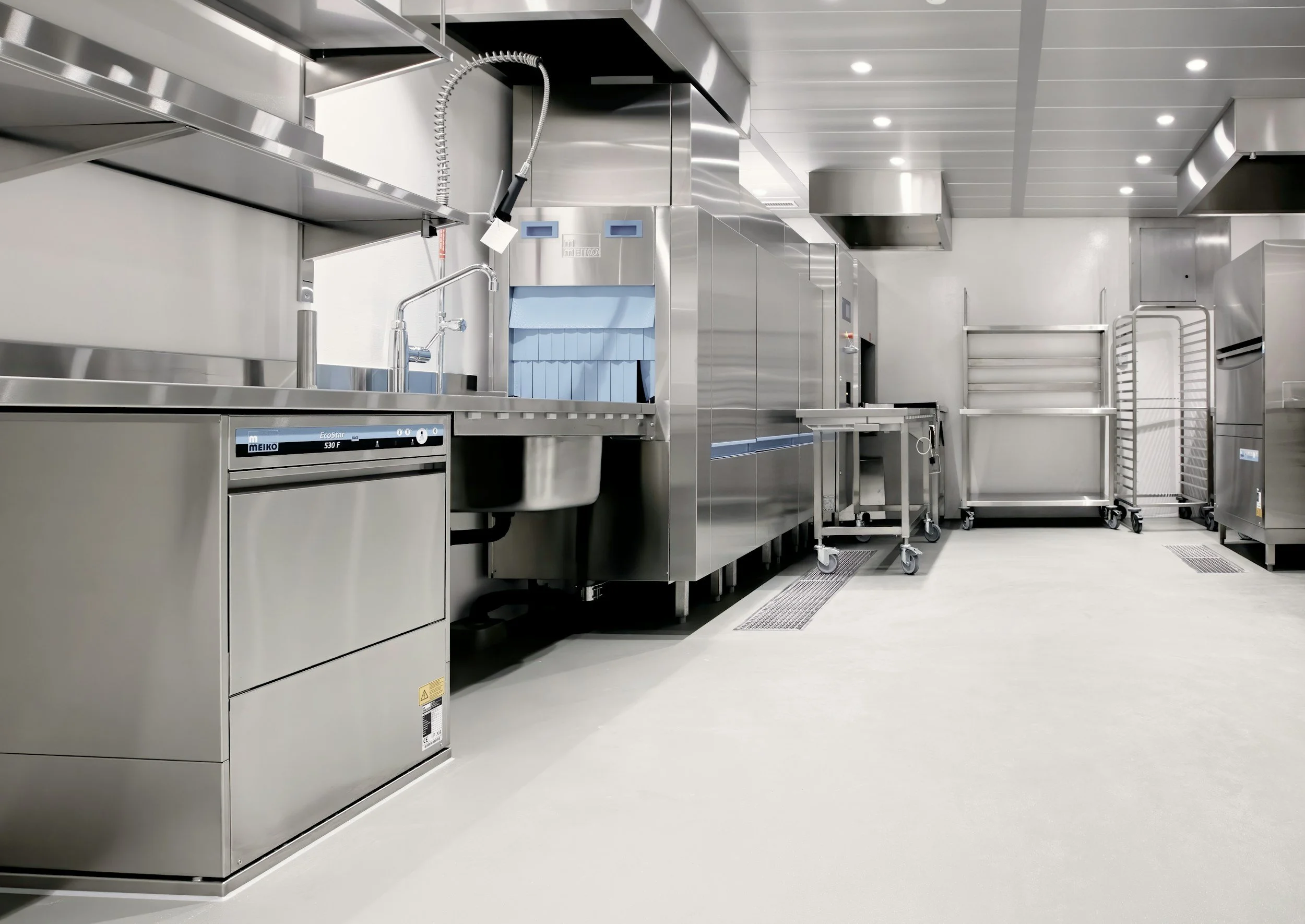
Install water and energy efficient dishwashers to save hundreds of gallons of water per year, but also reduces utility bills, stress on the water supply, and the workload required to hand-wash dishes.
-
![]()
Food Thawing Methods
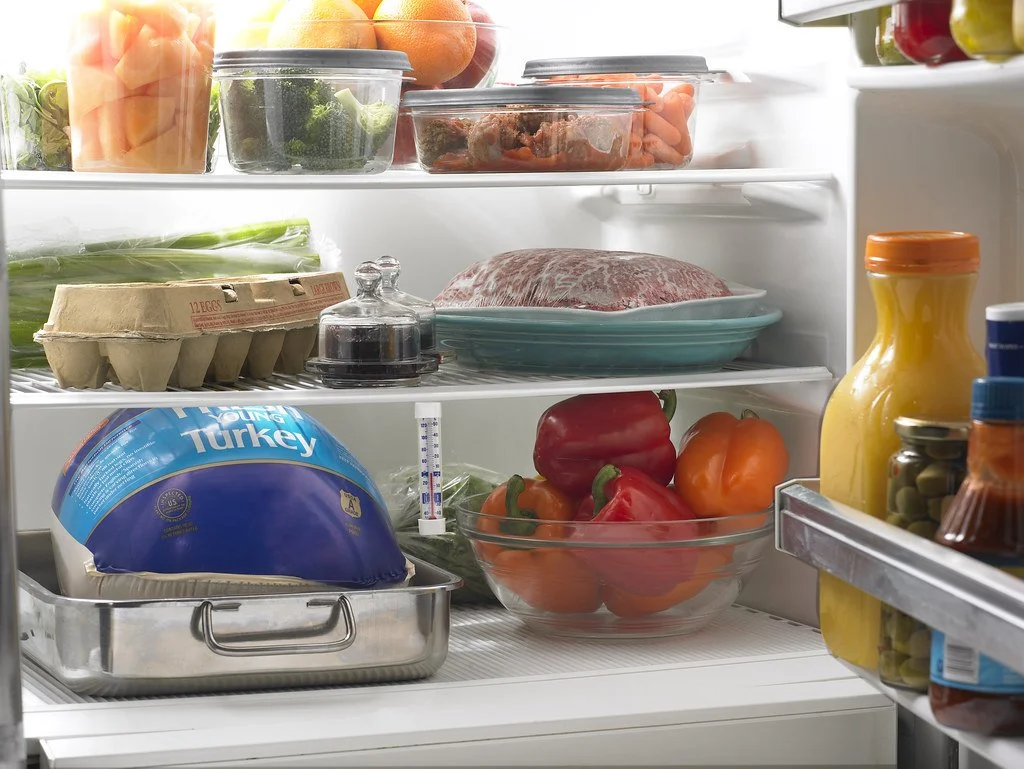
Water efficient food thawing methods are more efficient, less time intensive, and less costly in the long-term than hand-washing.
What
Common sources and causes of leaks are:
Corrosion creating weak spots or holes in pipes
High water pressure putting added stress on pipes
Damaged seals around joints, fittings, and faucets that break or become loose over time
Blockages in sinks, showers, and drains can cause water to back up and leak through weakened pipes or seals
How
-
A common reason for running toilets is issues with the chain and flapper in the toilet’s tank. The chain connected to the flapper, which covers the flush valve, sometimes gets stuck. If the common solution of ‘jiggling the handle’ does not work, one can take off the toilet lid and manually move the chain from where it is caught
-
A closing procedure in which someone is tasked with checking all water fixtures helps prevent unnecessary leaks and water loss. The staff member completing this task should also note any leaks that occur so they can be mitigated as soon as possible.
-
While waiting for a plumber, temporary fixes can stop excessive leakage.
Dry & Patch Method:
For small leaks, dry the pipe thoroughly and apply waterproof plumbing putty or pipe tape, also known as Teflon tape, or use a pipe clamp with a rubber gasket for a temporary seal.
Shut Off Water:
Find your main shut-off valve and turn it off to stop running water and prevent further leakage.
Leak Mitigation
Why
Unattended leaks contribute to water loss, increased utility bills, and damage to infrastructure. According to the US EPA, fixing leaks can save up to 10% on water bills.
Additional Information
-
Detecting leaks:
To find out if a toilet has any leaks, perform a dye test by dropping food coloring in the tank. If color appears in the toilet bowl after ten minutes, there is a leak.
See Concord General Service’s video guide to conducting dye tests for more information.
Fixing leaks:
WaterSense has a great step-by-step video guide to replacing flappers.
Fluidmaster’s toilet repair guide lists common issues and their solutions.
-
The American Water Works Association’s Drip Calculator helps calculate how much water was lost from leaky faucets.
WaterSense has a great video guide to replacing faucet aerators.
This video tutorial by Home Depot provides step-by-step instructions for replacing bathtub faucets.
-
This video tutorial by WaterSense provides step-by-step instructions to replacing showerheads.
While repairing leaks, it is a good idea to check and replace the washer inside of the showerhead if needed.
What
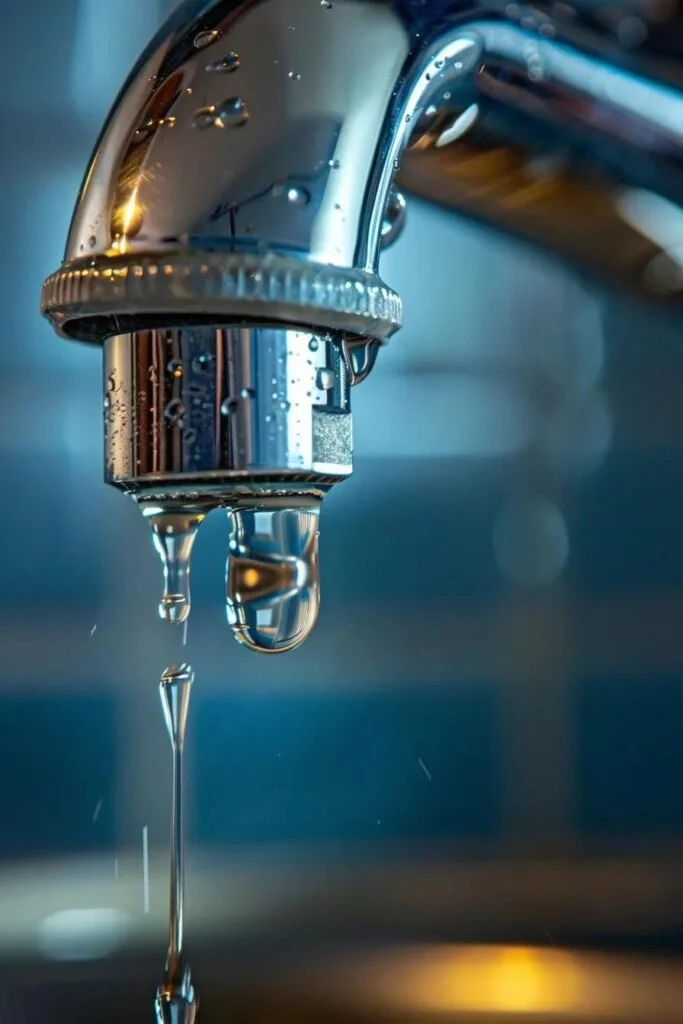
Aerators are devices that screw onto faucets and introduce air into the water stream. They maintain the same water pressure while decreasing the amount of water used. Aerators can be installed on fixtures with faucets such as spray valves, sinks, showers, irrigation systems, etc.
How
1
Aerators
Find the right aerators for your faucets:
For increased water conservation, choose low-flow (1.2 gallons per minute, or GPM, or less) options for bathrooms. Kitchen sinks, however, require higher pressure, usually about 2.2 GPM.
Measure the faucet tip to find the correct size. For a quick estimate, you can use coins. Standard or regular aerators are usually quarter-sized, junior or small aerators are nickel-sized, and Tom-Thumb aerators are dime-sized.
Determine the correct thread style. Threads on the inside of the faucet tip are known as female threads and require a male aerator, while male threads are located on the outside and require a female aerator. Some faucets have dual threads, where threads appear on both the outside and inside of the faucet.
2
Why
Aerators conserve water, improve efficiency, save energy, help lower utility bills, and filter debris. According to WaterSense, each aerator can save 700 gallons of water per year, or enough water for forty-five showers.
Install the aerators:
Be sure to clean the threads of the faucet tip before installations. This can be done with an old toothbrush.
Screw the aerator in clockwise and hand-tighten until snug. Be cautious of over-tightening, which can damage the threads.
After installations, turn the faucet on to test the aerator and determine if adjustments need to be made. Check for any leaks and adjust the flow as desired.
Additional Information
This video tutorial by WaterSense provides step-by-step instructions for replacing aerators.
This article by Danco answers frequently asked questions and provides an overview of aerators.
What
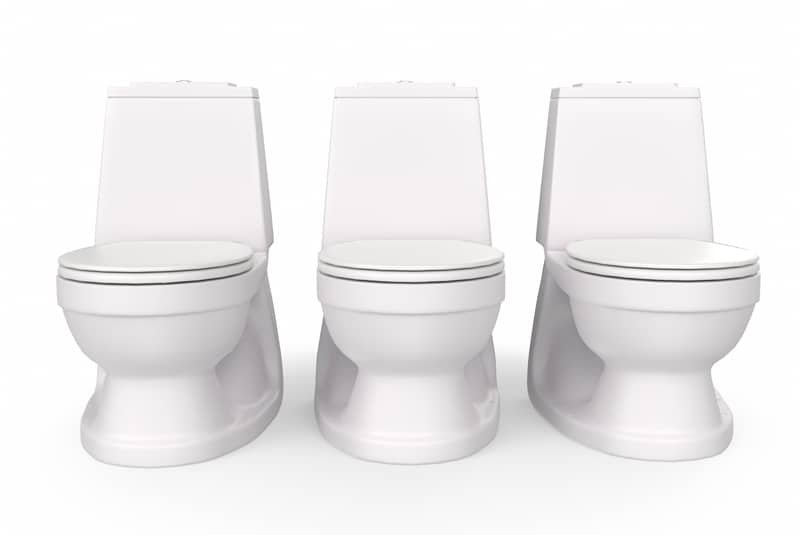
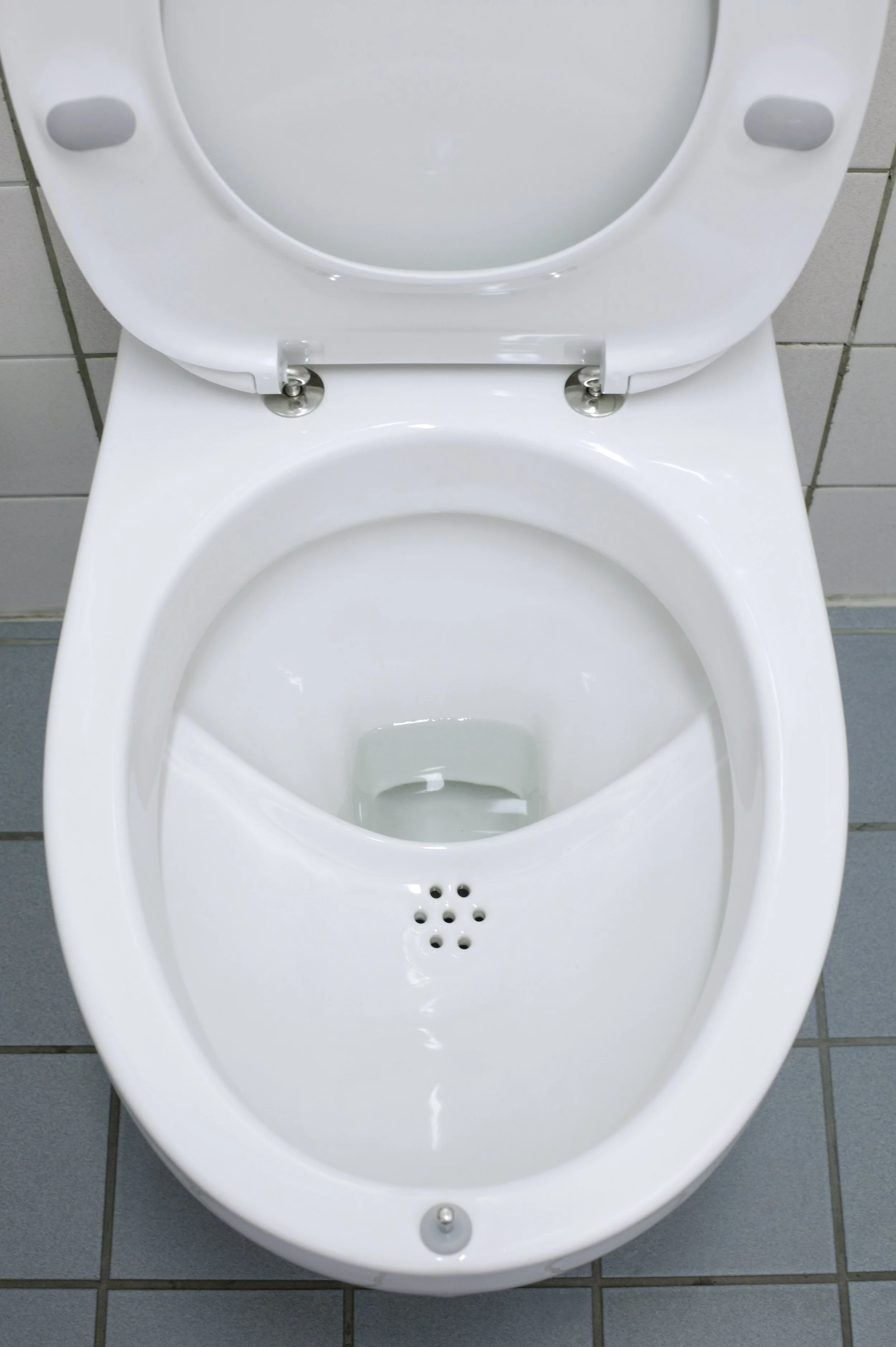
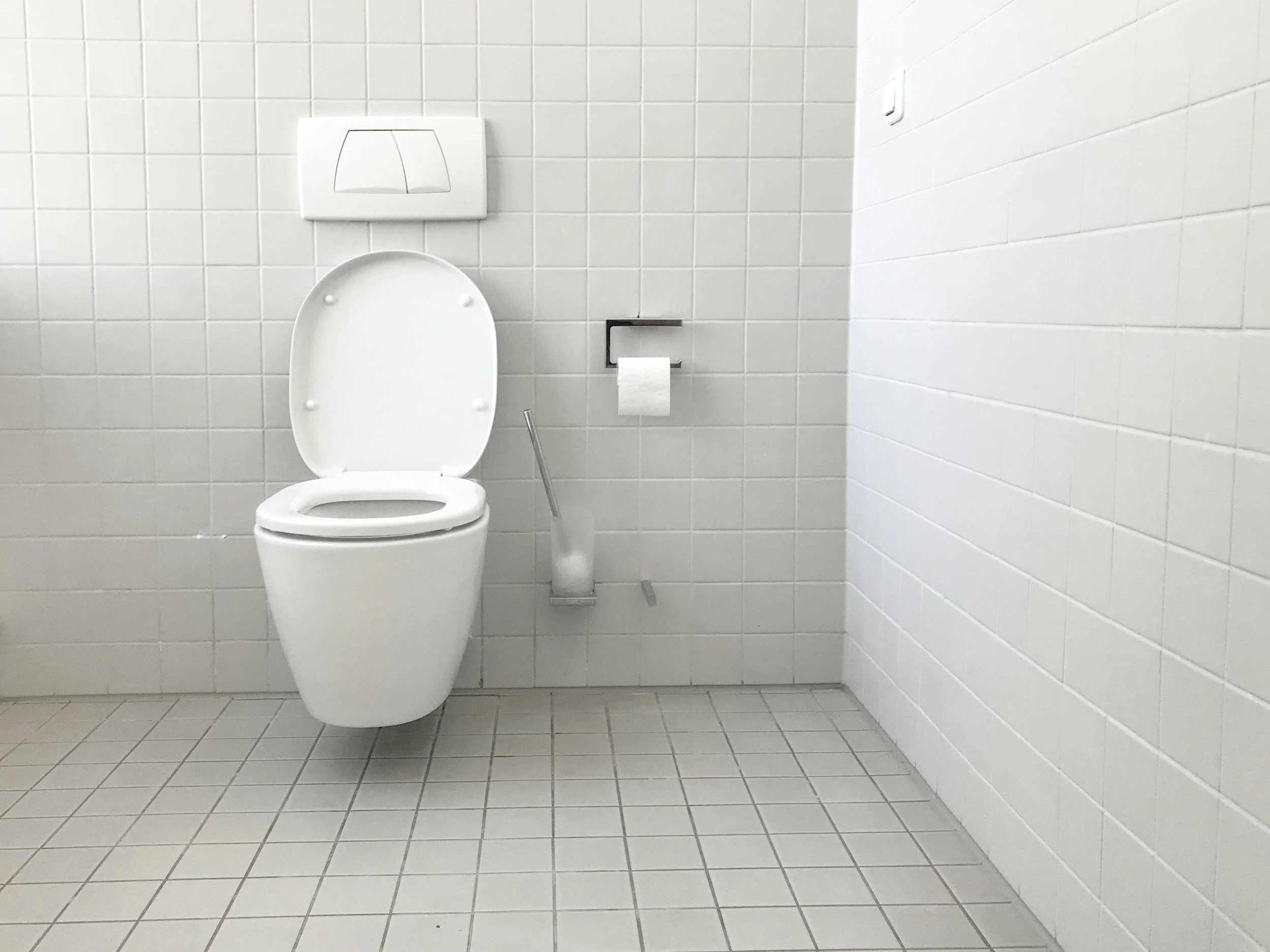
Low-flow toilets consume less water than regular models. They commonly use 1.28 gallons per flush (gpf), while typical toilets use 1.6-3.5 gpf. This may not seem like a significant amount, but that’s about two disposable water bottles per flush. The average person flushes the toilet 4-8 times per day, making the difference between low-flow toilets and typical models is about 467-934 gallons per year.
How
-
Depending on your preferences, the age of your building, etc., the model of low-flow toilet that is right for you may look different.
This Lowe’s article includes a detailed summary of low-flow toilets, how they work, and factors to consider when searching for the right model.
-
Many local, city, and state entities offer rebates for water efficient fixtures and appliances.
This rebate search tool by WaterSense makes finding funding opportunities easy.
Visit your utility provider’s website to search for water efficiency programs and find associated incentives.
Low-Flow Toilets
Why
Typical toilets rely on the weight of the water in their tanks to move waste through pipes. Low-flow toilets use alternative methods such as pressurized air, a more efficient siphon, or a dual-flush system to achieve the same result while using less water.
What
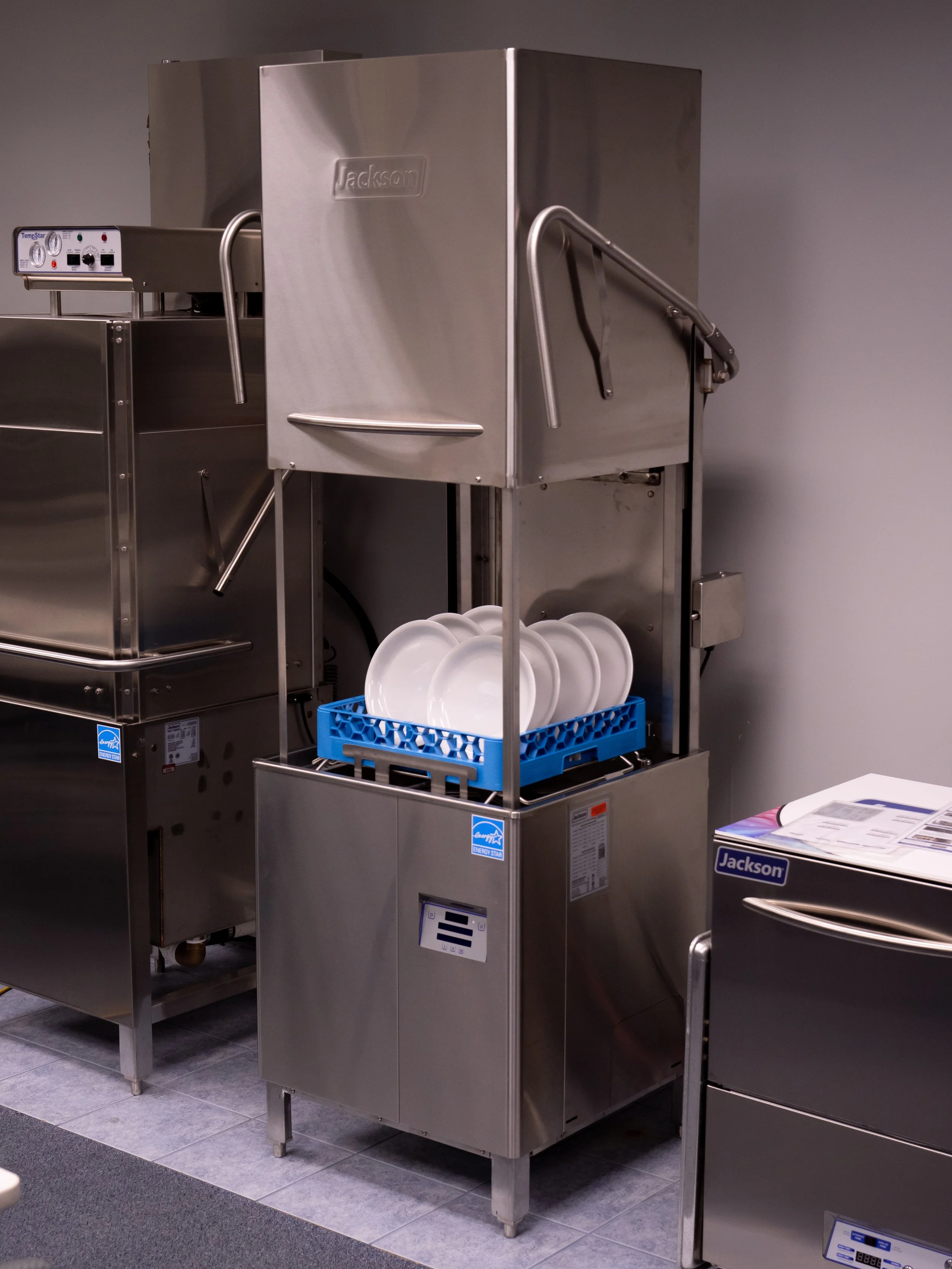
ENERGY STAR certified dishwashers save energy, reduce water use, and focus on efficiency. On its website, ENERGY STAR states that its certified dishwashers cost about $50 per year to run and maintain, and they save approximately 5,800 gallons of water over the course of their lifetime. These dishwashers are water- and cost-efficient, with some ENERGY STAR partners offering rebates and other cost reduction solutions.
How
-
Different models of dishwasher meet various needs such as volume of dishes needed to be washed, frequency of washing, size constraints, etc.
This ENERGY STAR product search tool is a great resource for finding the right model for you.
-
Many ENERGY STAR partners offer rebates for more energy and water efficient dishwashers.
This rebate search tool helps identify funding opportunities in your zip code.
Dishwashers
Why
Hand-washing dishes often uses twenty gallons or more per load. Installing dishwashers not only saves hundreds of gallons of water per year, but also reduces utility bills, stress on the water supply, and the workload required to hand-wash dishes. Most common dishwashers can use up to ten gallons per load, while energy and water efficient models use 3.5 gallons or less per load.
What
The following USDA-approved and water-efficient food thawing methods include water recatch systems, thawing cabinets, and steaming technology.
How
-
Water recatch thawing mimics the USDA-approved cold water thawing method by circulating water, eliminating the need to replace the water every thirty minutes.
BOSS Defrost is a portable system that has the lowest cost associated with implementation and is environmentally sustainable, with the BOSS Defrost website citing a 98.5% reduction of water use during the thawing process.
-
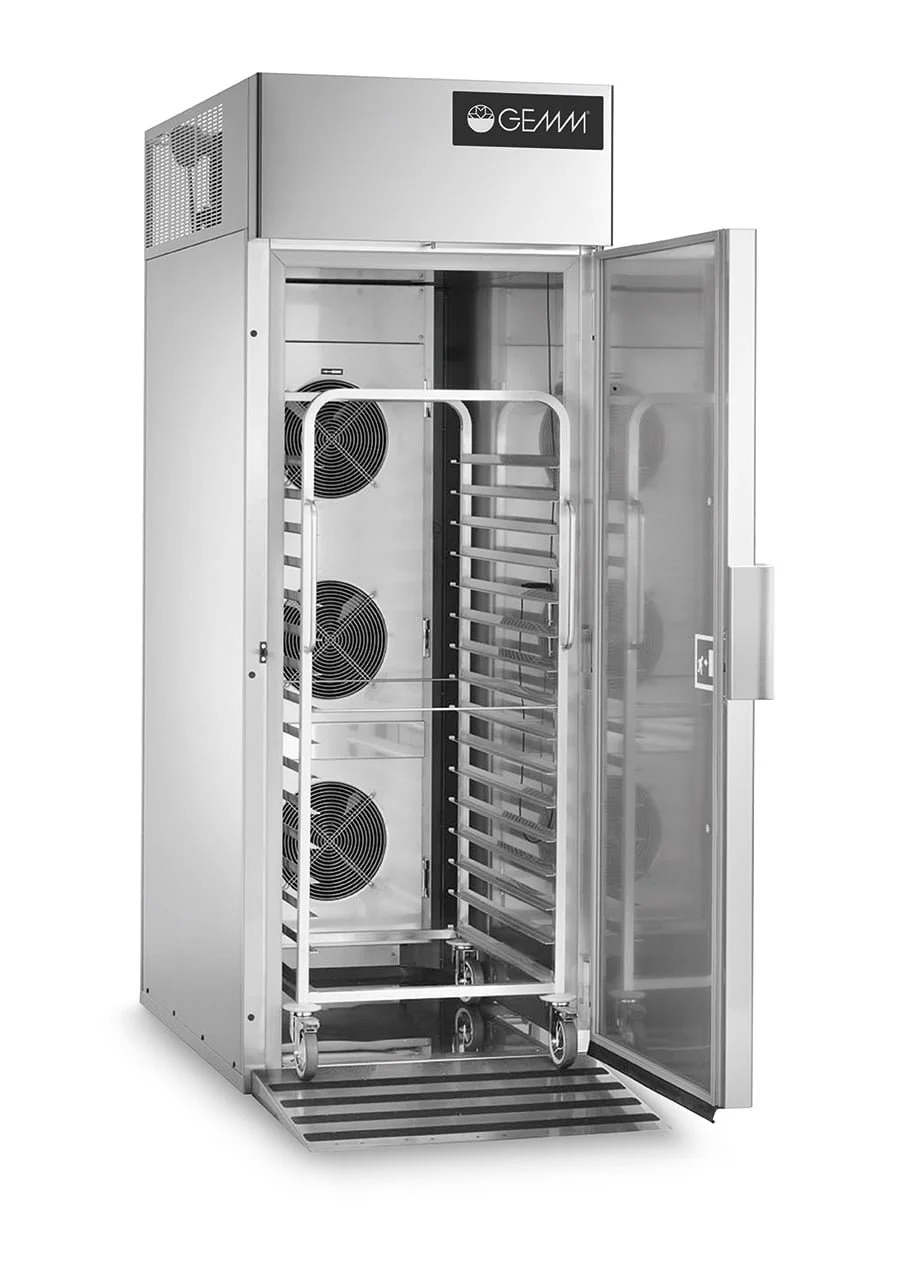
Thawing cabinets use temperature control and airflow to thaw frozen food. Typically, they feature pre-programmed settings for various food categories and different kinds of meat.
The Electrolux thawing cabinet is designed for large volumes of food. It works quickly compared to its competitors, thawing food in approximately six hours. It also features a holding mode in which, once thawing is complete, it automatically transitions to a steady, safe temperature.
-
This method uses steam under a vacuum to quickly and safely defrost large quantities of meat.
The GEA ColdSteam T website emphasises the technology’s ability to reduce drip loss and improve food safety. As a company, GEA also values sustainability and encourages its customers to participate in environmentally friendly practices with its products.
Food Thawing Methods
Why
Thawing food by soaking it in its packaging consumes a great amount of water due to federal regulations requiring water be changed out every thirty minutes. These alternative food thawing methods are often more efficient, less time intensive, and less costly in the long-term due to lower water bills.
Food thawing cabinet example